
EXECUTION
Low float stocks are built to break your rules
The instrument itself is doing something to your decision-making before the first candle prints. Most traders blame themselves. The math was never on their side.

ROUTINE
The pre-market routine that gets you in the zone
Getting in the zone before the bell isn't a vibe or a playlist. It's a sequence, and most retail traders are skipping three of the four steps.

DISCIPLINE
The hardest trade is the one you never take
Nobody journals the trade they didn't take. That's why the no-trade decision — the hardest call a small-cap day trader ever makes — quietly rots for years.
RISK
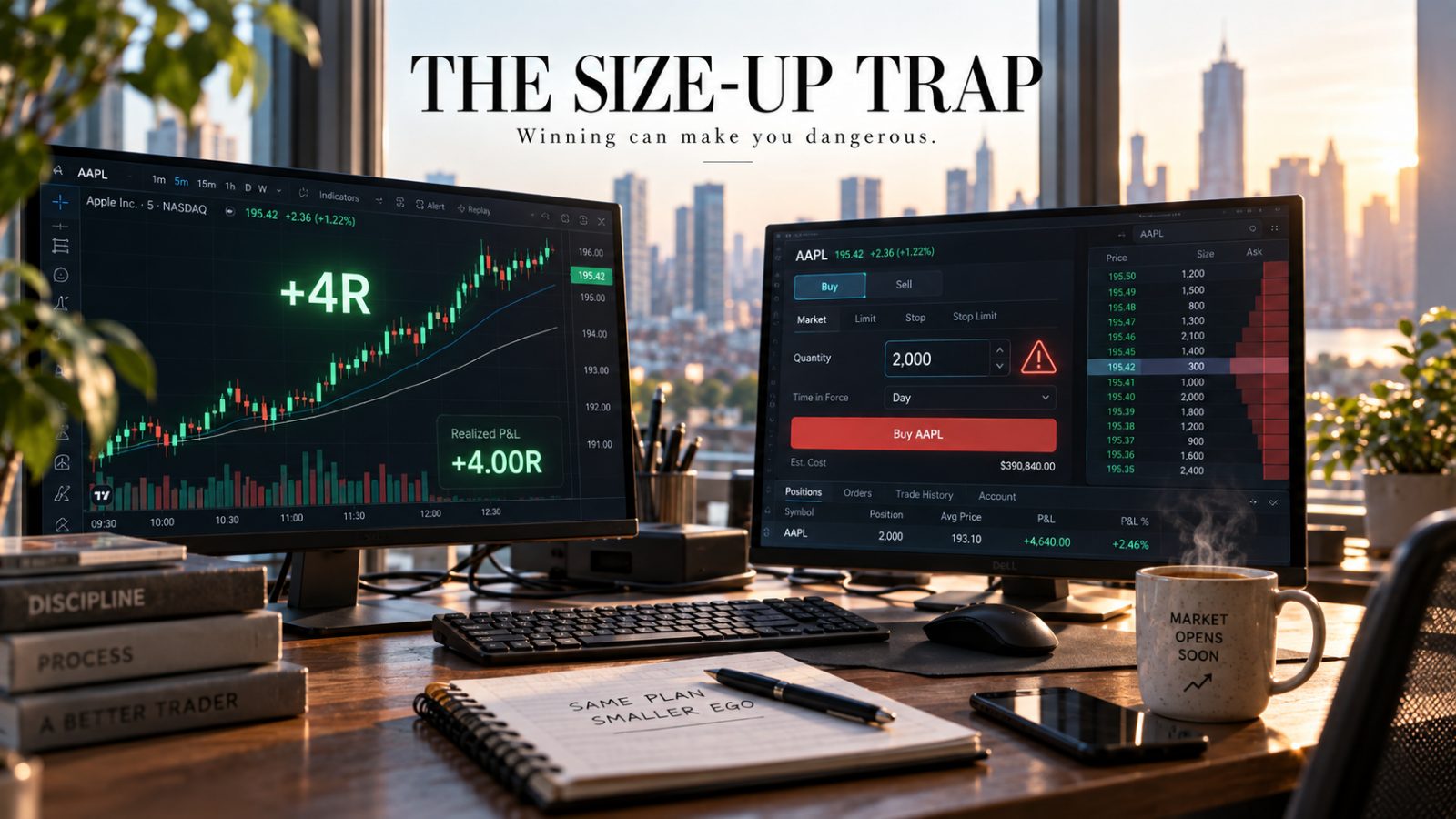
The size-up trap: why winning makes you dangerous
The green trade that just paid you 4R is quietly writing the position size that will hand it all back tomorrow morning before you've had coffee.

PSYCHOLOGY
Overtrading isn't a strategy problem. It's a boredom problem.
The trades that wreck your week aren't the ones you planned. They're the ones you took because sitting still felt worse than being wrong.

EXECUTION
A perfect entry doesn't feel like a decision
The traders who take clean entries aren't picking better moments. They're arriving at those moments already committed, with nothing left to decide.

RISK
Every big winner sits on a pile of small losses
The uncut loss doesn't just cost you the trade. It costs you the seat, the read, and the version of you that would have taken the next setup clean.

DISCIPLINE
Nobody defends a green day the way they defend a red one
A red day makes you cautious. A green day makes you generous. That asymmetry is why most traders finish the month flat — and never understand why.
EXECUTION
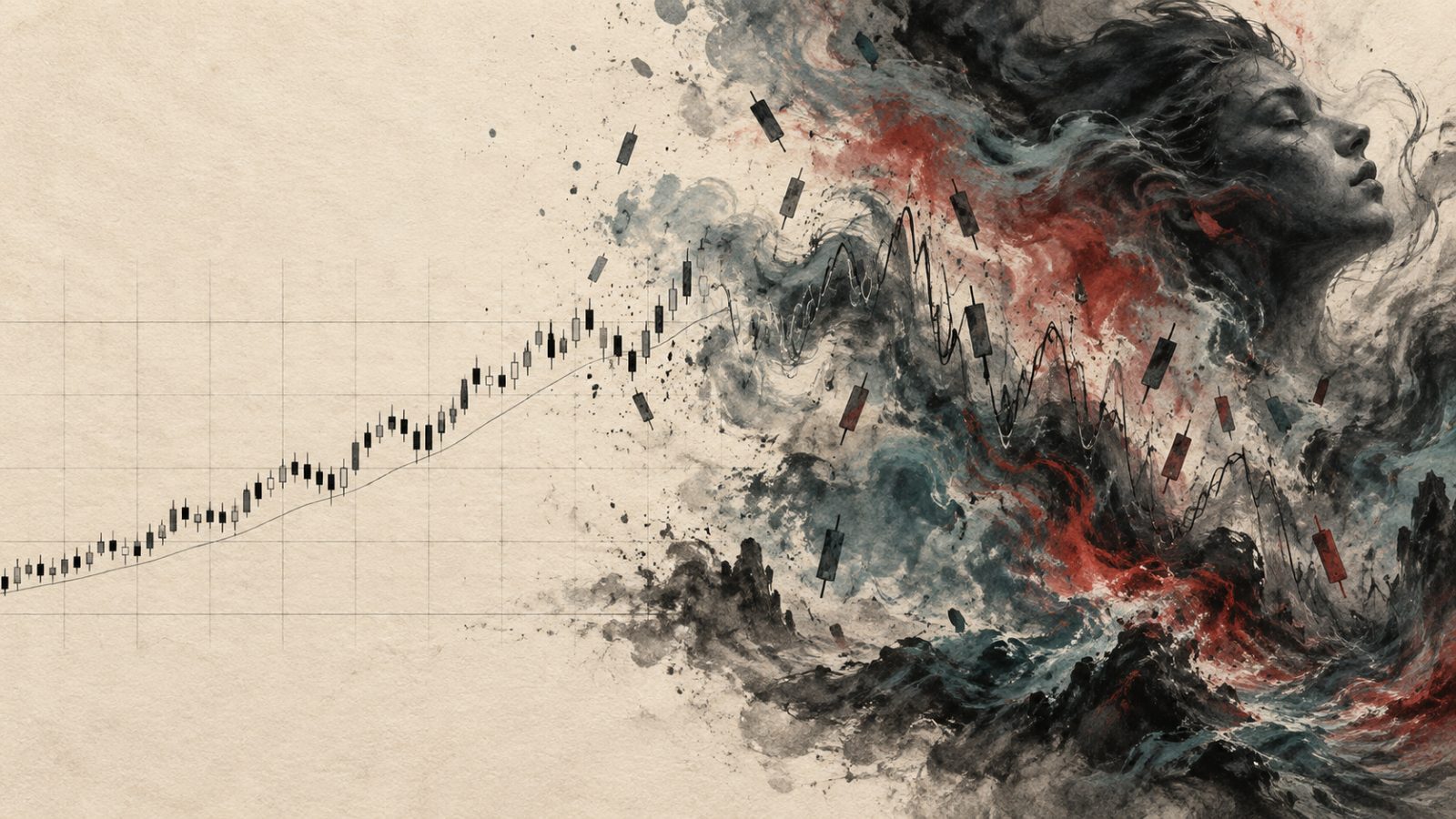
You don't have a strategy. You have a mood.
Randomness masquerades as intuition until you count the trades. Here's how impulsive execution hides inside language that sounds disciplined.

PSYCHOLOGY
The trade you chased isn't the one that broke you
FOMO's real bill doesn't arrive when you chase. It arrives an hour later, from the seven trades you took trying to un-hurt yourself.
PATIENCE
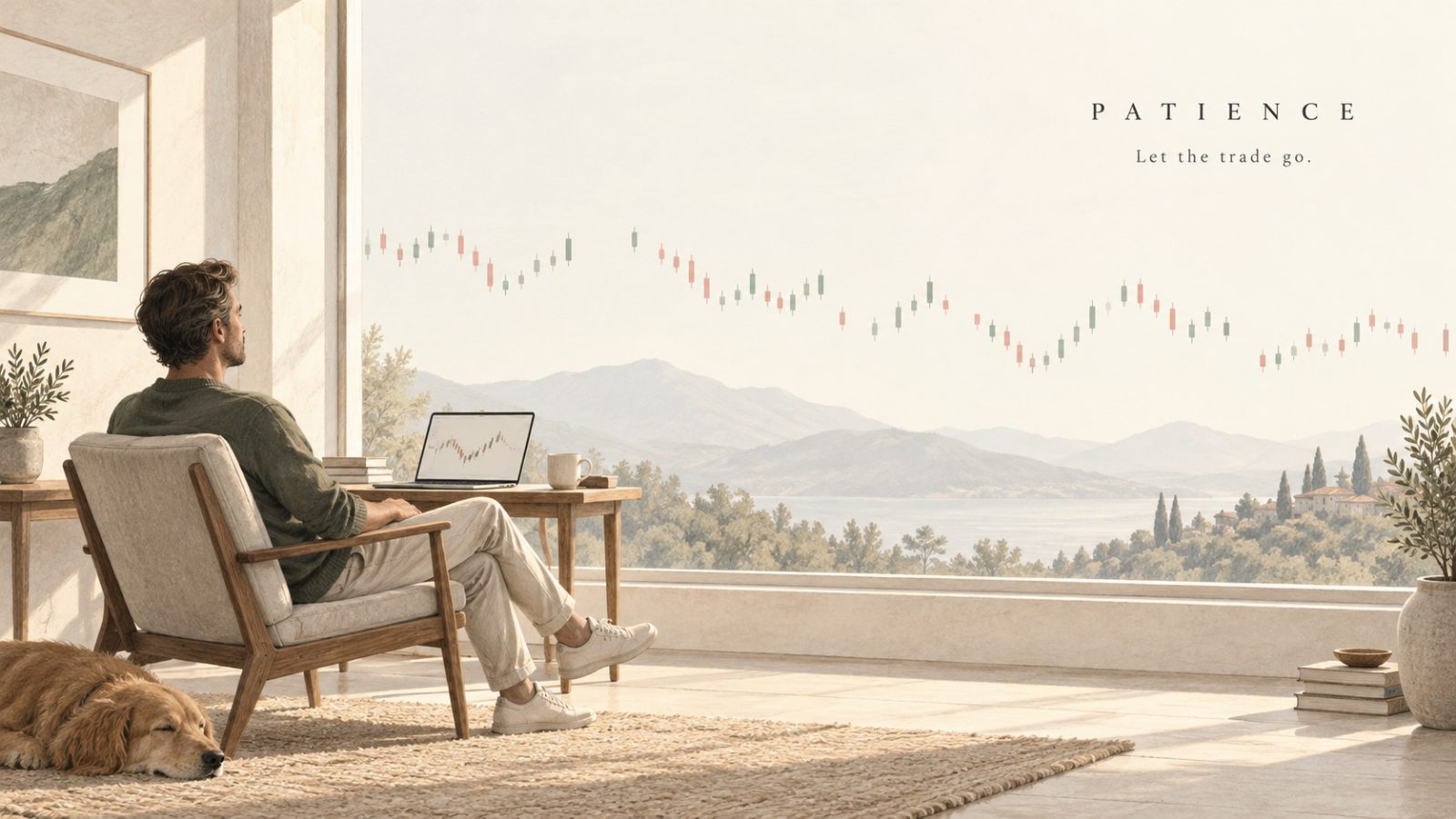
Winning traders skip more trades than they take
The professional's edge isn't a better setup. It's the ability to watch a decent-looking trade go without them and feel nothing.
MARKET STRUCTURE
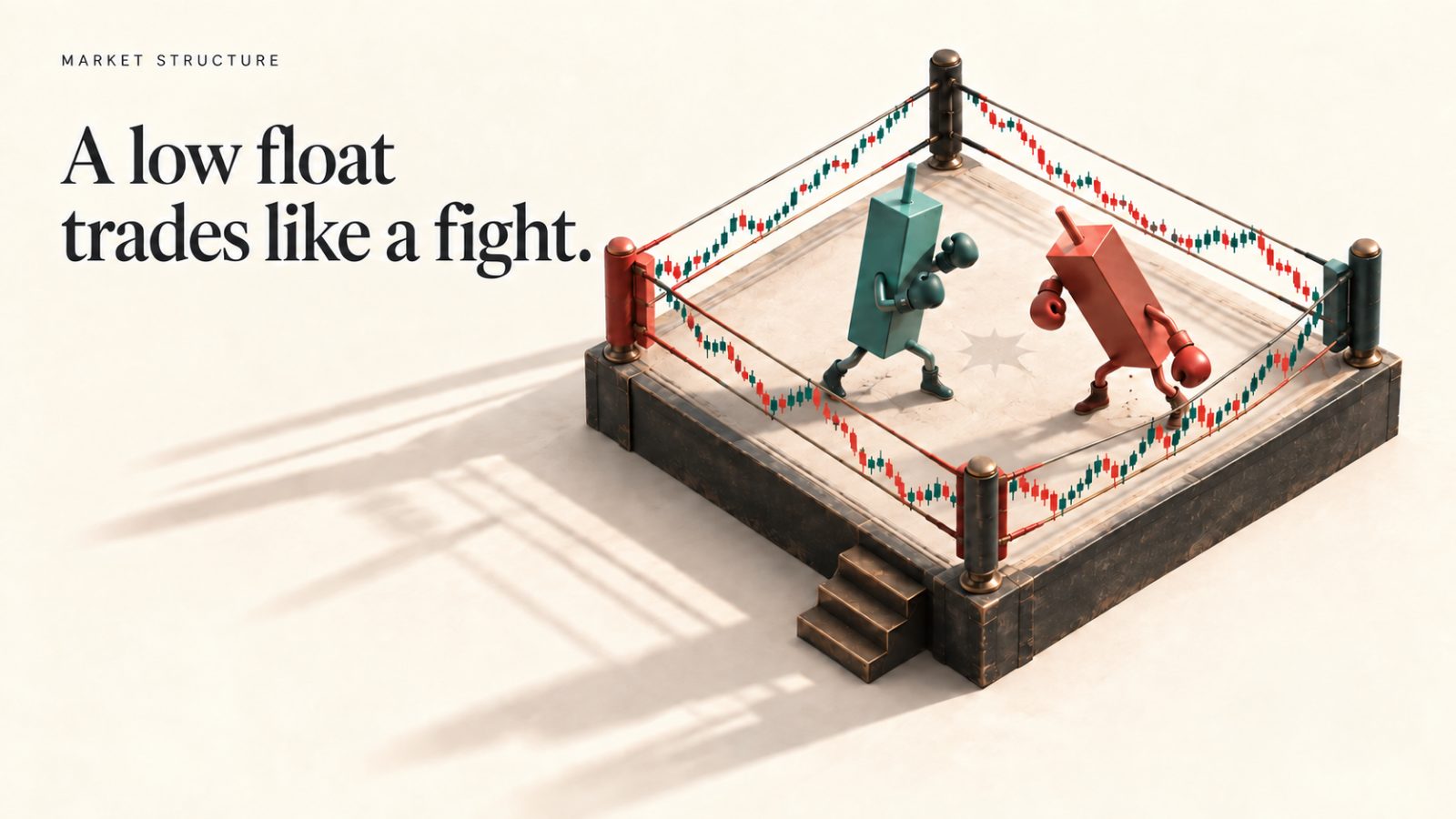
A low float doesn't trade like a stock. It trades like a fight.
Low-float names don't behave like faster versions of large caps. They behave like a different sport entirely — and the trader who doesn't switch rulebooks gets submitted.

ROUTINE
The pre-bell hour is the trade before the trade
Nobody enters the zone by wanting to. The hour before the open is infrastructure — a sequence you install so the bell doesn't have to find you ready.

DISCIPLINE
The hardest position to hold is no position
The no-trade decision is heavier than any entry, and the traders who survive small caps are the ones who learn to sit inside that weight without moving.

PSYCHOLOGY
The size-up trap: why winning makes you dangerous
Every blowup starts as a good day. The size that made you four R this morning is the same size that hands it back tomorrow, and you won't feel it happening.
PSYCHOLOGY
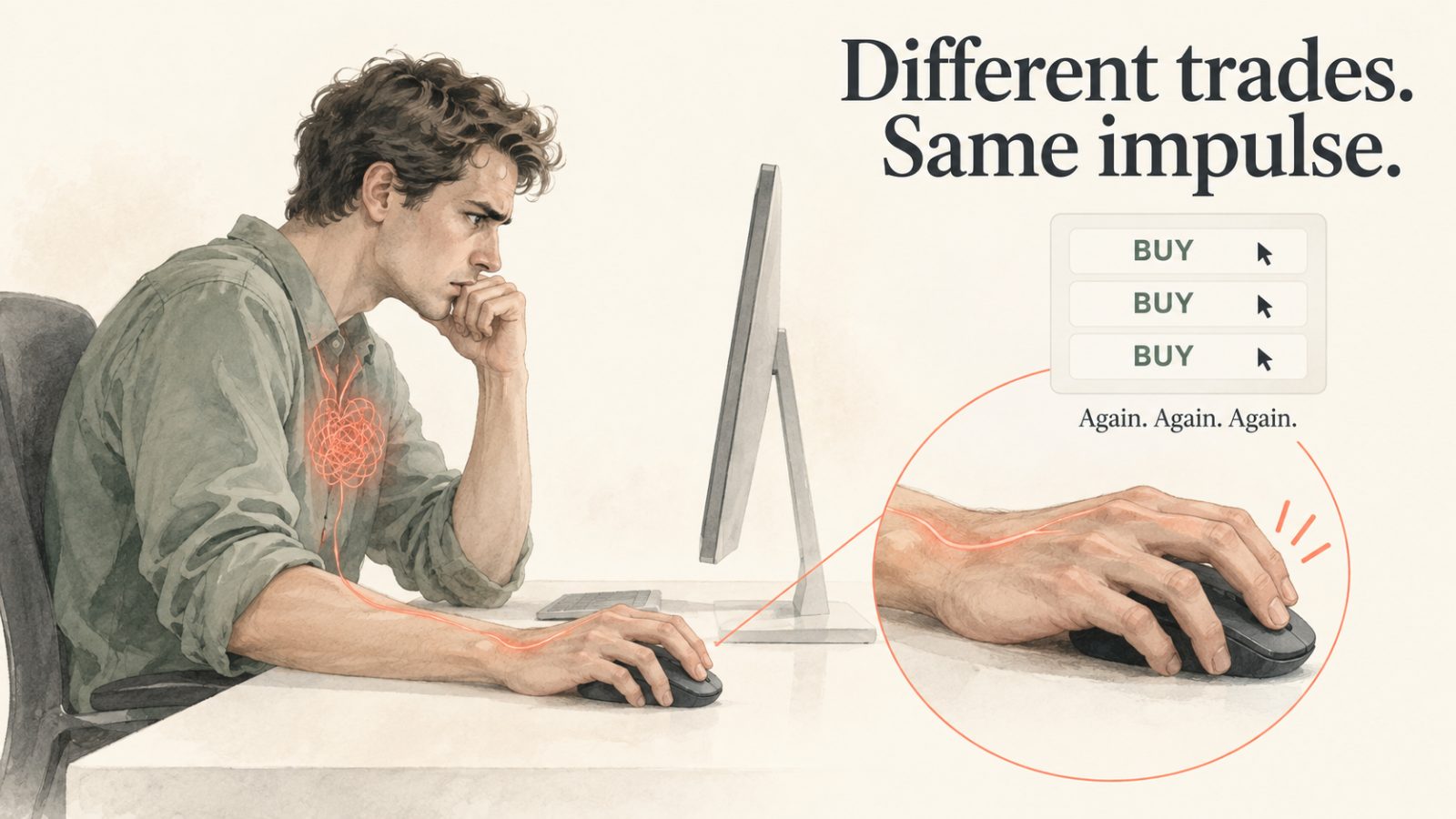
Overtrading is a nervous system, not a decision
Nobody schedules the tenth trade. It arrives the way a craving does — through the body, before the mind gets a vote. That's the part willpower keeps losing to.

EXECUTION
The anatomy of a perfect entry has almost nothing to do with the entry
Ask ten traders to describe a clean entry and you'll get ten screenshots. Ask what they were doing five minutes before it and you'll get silence — which is the whole answer.

RISK
The small loss is the trade that keeps you a trader
Every trader who's still in the seat after five years took the small loss when it was still small — and lost the ones who couldn't.

PSYCHOLOGY
Meditation isn't wellness — it's risk management
The pre-market sit isn't about being centered. It's about keeping your cortisol curve below the line where your prefrontal cortex checks out at 10:14am.

PSYCHOLOGY
The most dangerous P&L of the day is the one already green
Nobody gives back a red day. Give-back only happens to traders who were already right — which is exactly what makes the second half of the session so lethal.
DISCIPLINE
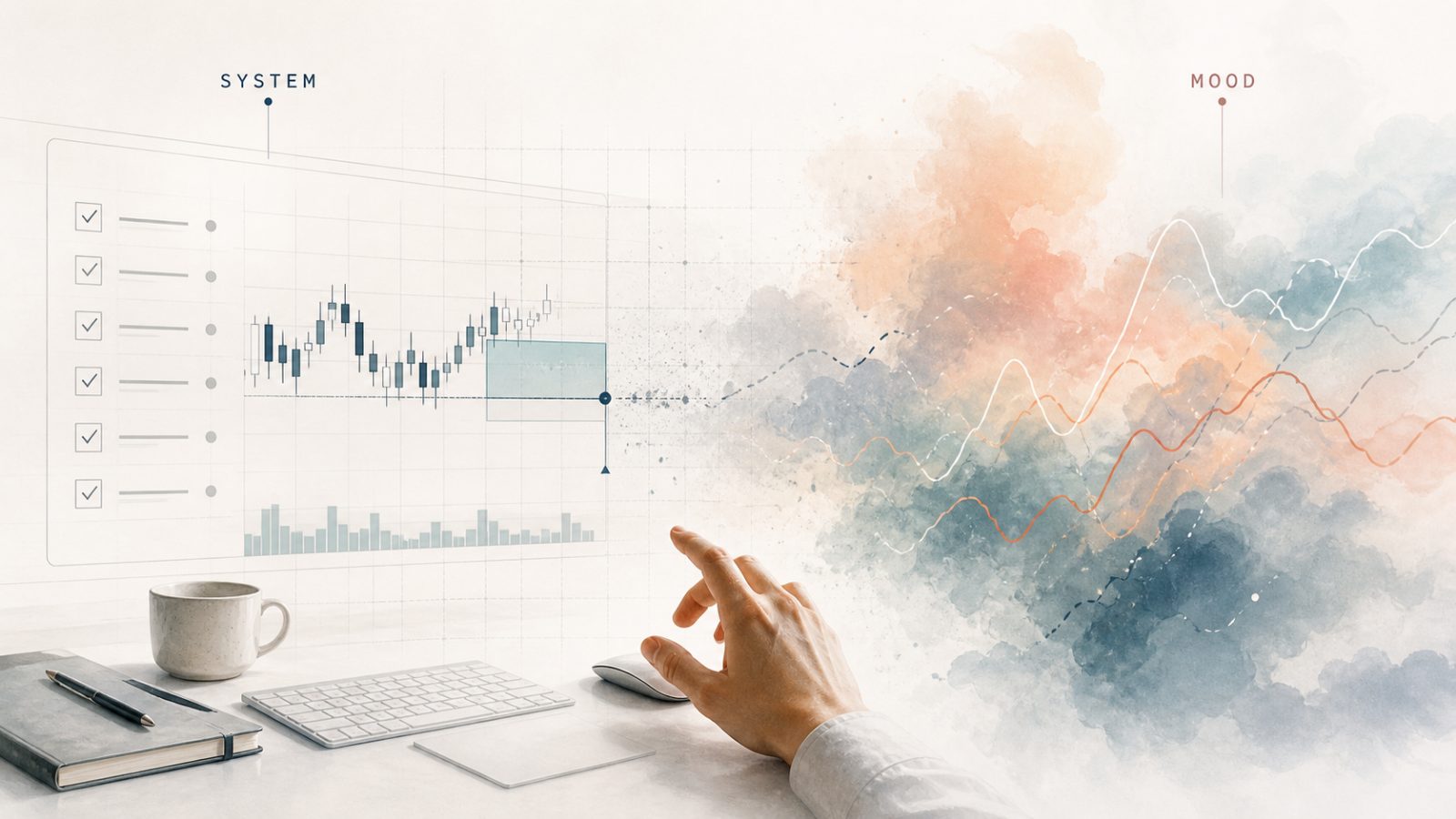
You're not trading a system. You're trading a mood.
Most losing days aren't caused by bad setups. They're caused by trades the trader can't actually explain — decisions dressed up as conviction after the fact.
EXECUTION
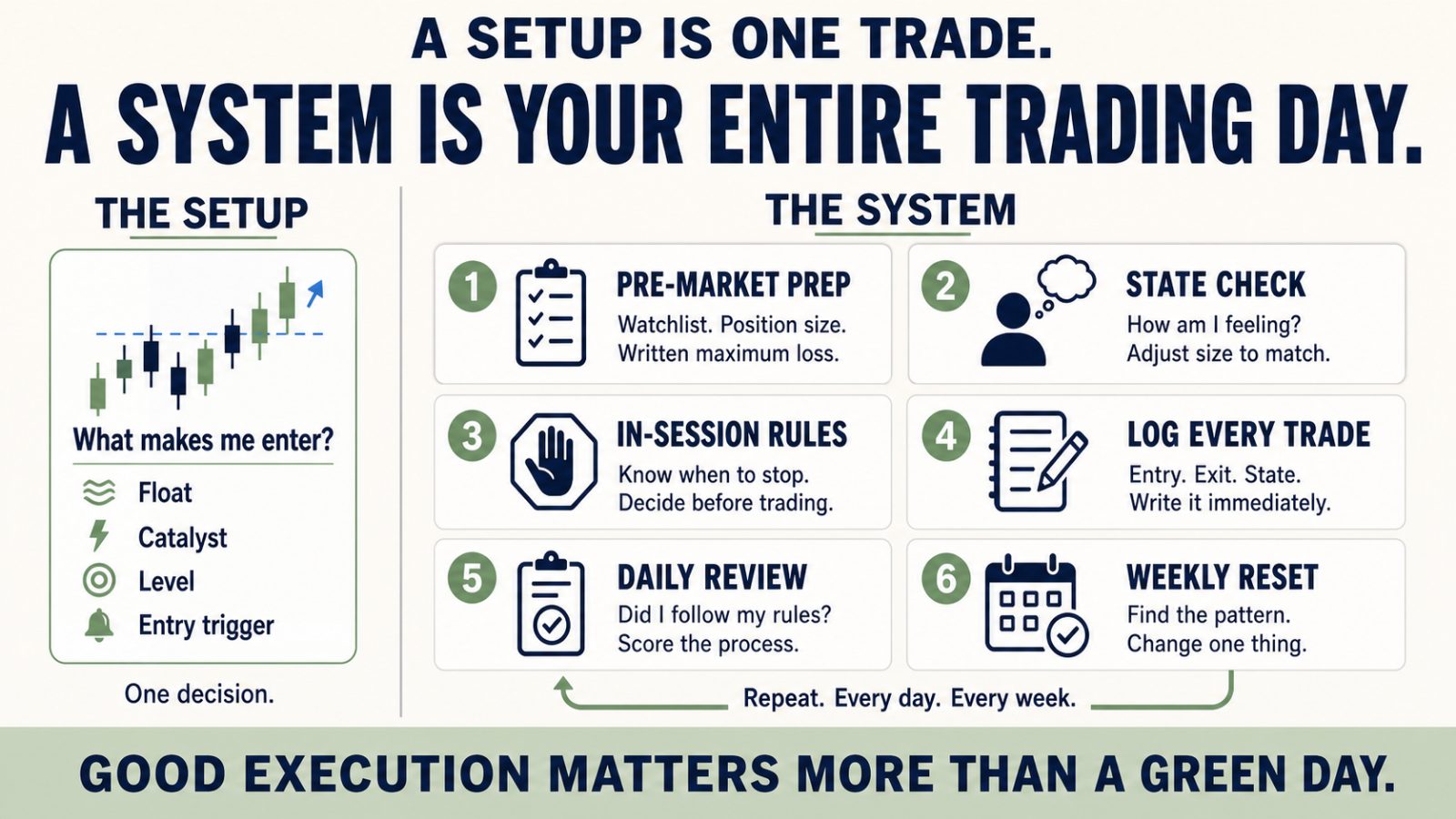
You don't need a better setup. You need an operating system.
Most traders think they have a system. What they actually have is a setup, a watchlist, and a mood — held together by memory and hope.
PSYCHOLOGY
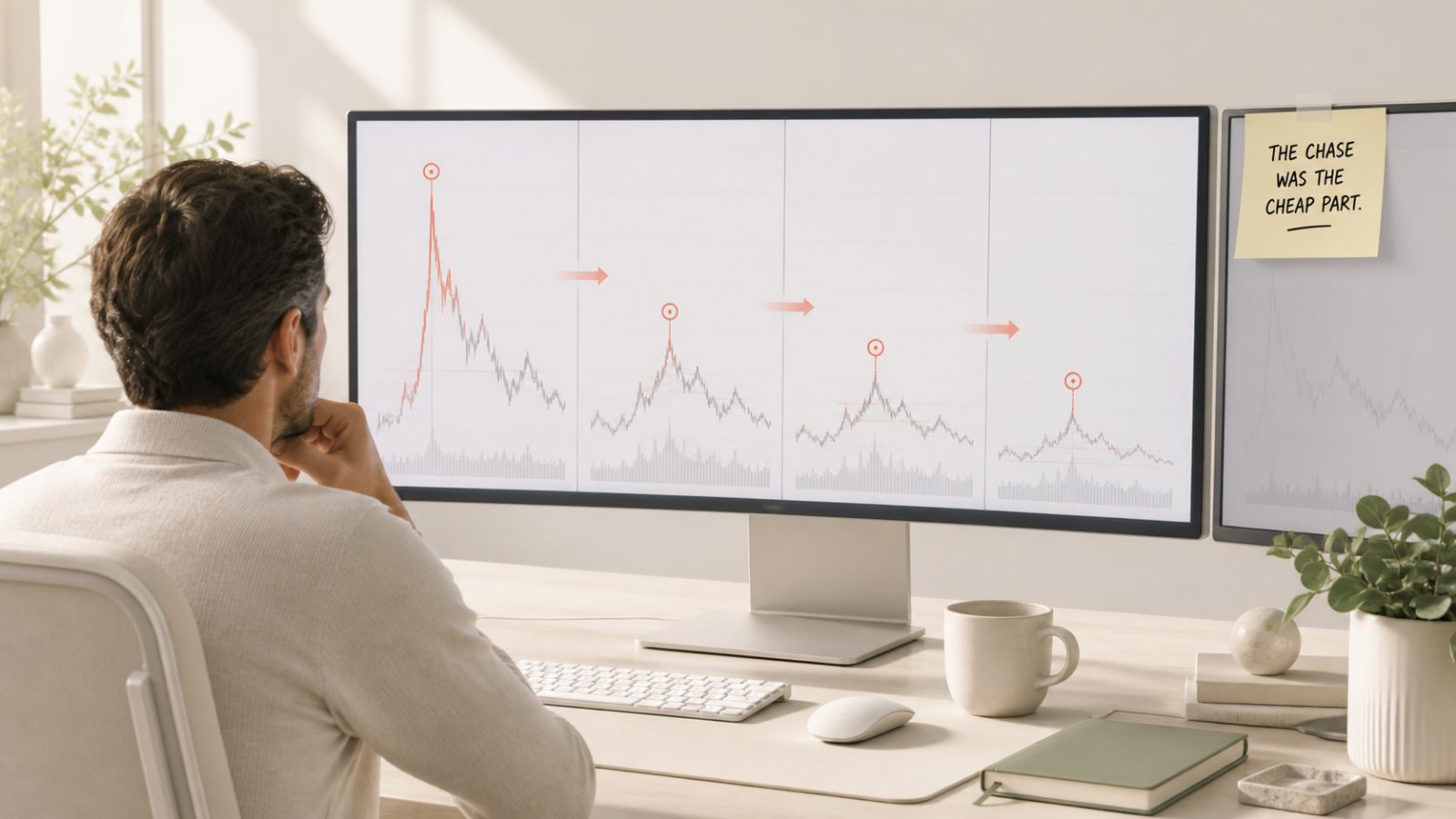
FOMO isn't the trade you chased — it's the three after
Chasing a runner rarely blows an account by itself. What blows the account is the state chasing leaves you in for the next hour of decisions.
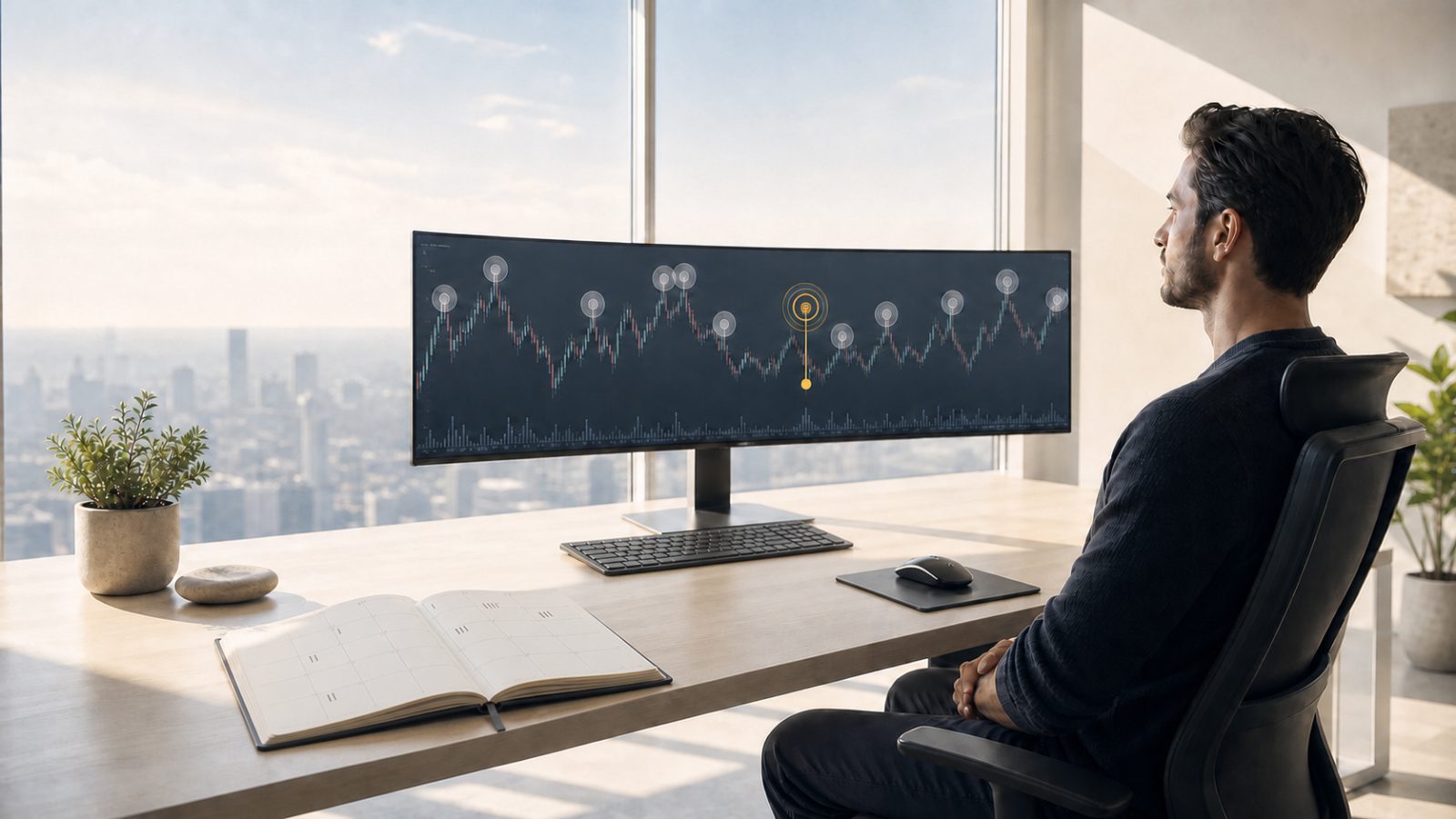
PATIENCE
Winning traders skip more trades than they take
The hardest skill in this job isn't finding setups — it's watching most of them come and go without touching the mouse.

EXECUTION
The float is small. Your mistakes are not.
Low-float names don't punish you differently — they punish the same habits you already have, in a font size the market makes you read.

MENTAL CONDITIONING
Meditation isn't wellness — it's risk management
A pre-market sit isn't a spa ritual. It's the difference between a trader whose prefrontal cortex stays online and one whose amygdala takes the wheel.
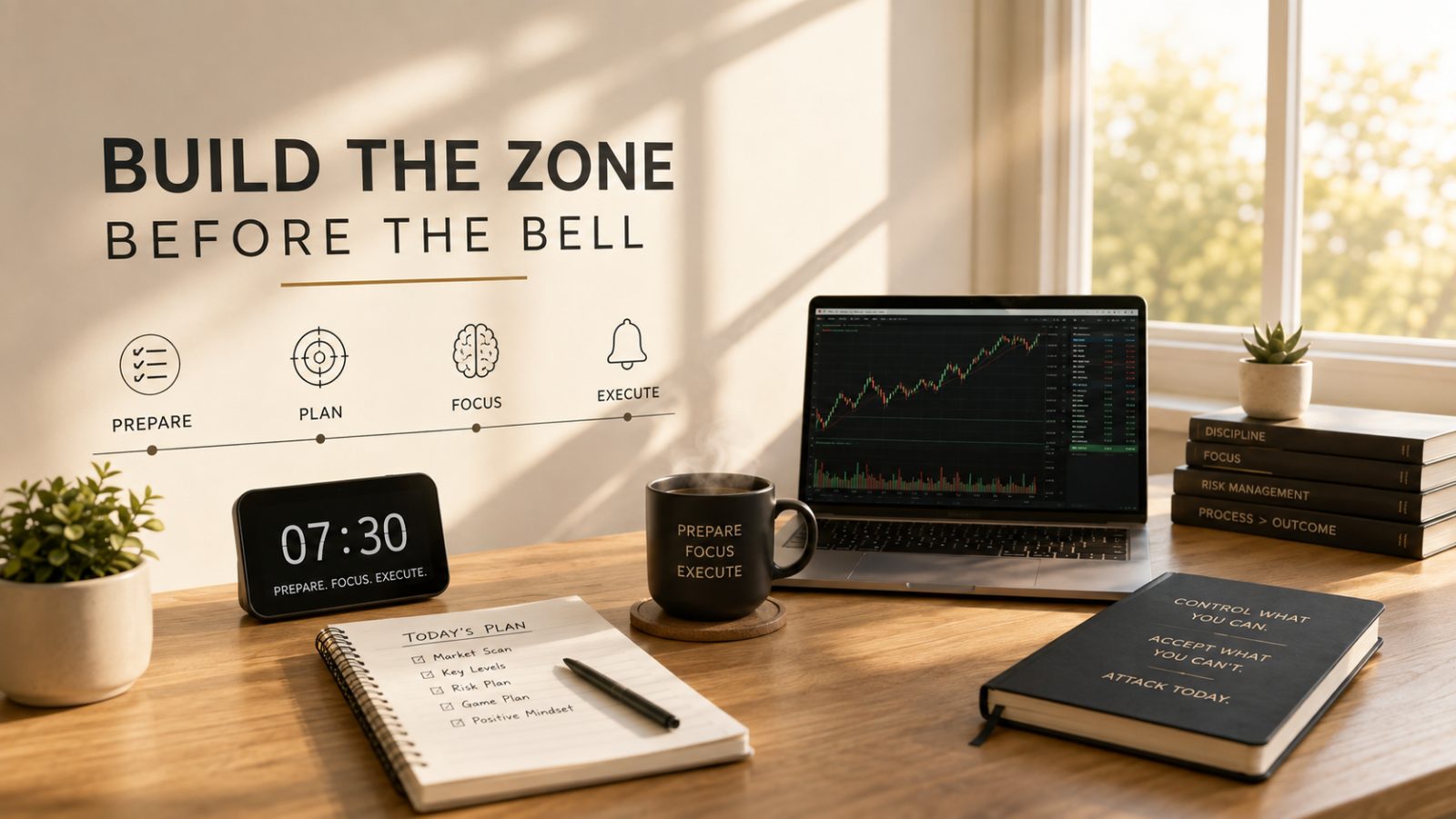
ROUTINE
You don't get in the zone. You build it before the bell.
Getting in the zone isn't a mood you catch — it's a sequence you run in the two hours before the open, and the trader who skips it pays for it by 10.

PATIENCE
The trade you don't take is the hardest trade of the day
For a small-cap day trader, the no-trade decision costs more effort than any entry — and it's the one nobody trained you to make.

EXECUTION
The size that made you is the size that unmakes you
Nobody sizes up on a losing streak. Which means your risk quietly doubles at the exact moment you feel most in control — and the give-back is already priced in.
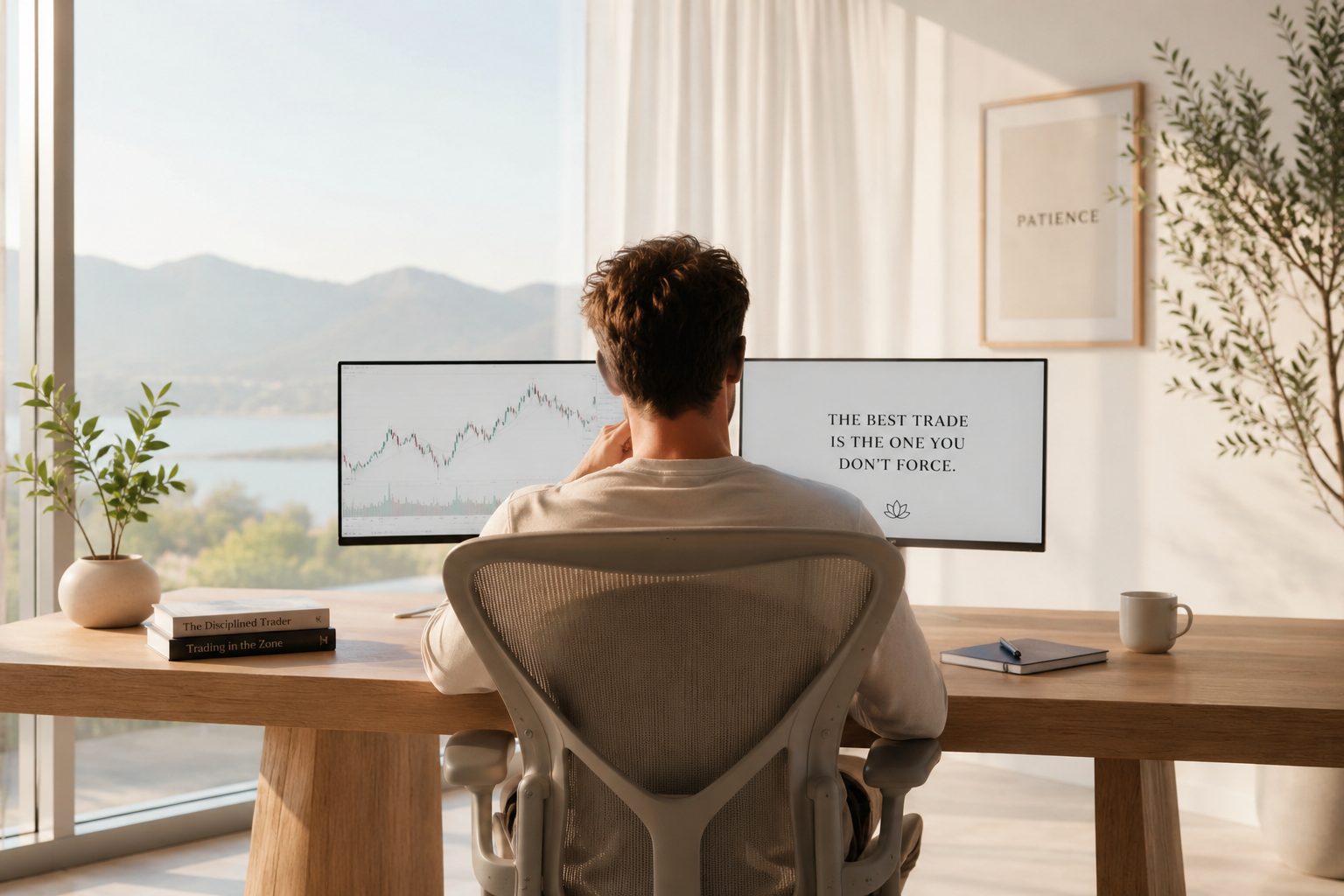
PSYCHOLOGY
You overtrade because sitting still feels like losing
The engine behind overtrading isn't greed and it isn't stupidity. It's the low, humming discomfort of being in front of the market with nothing to do.
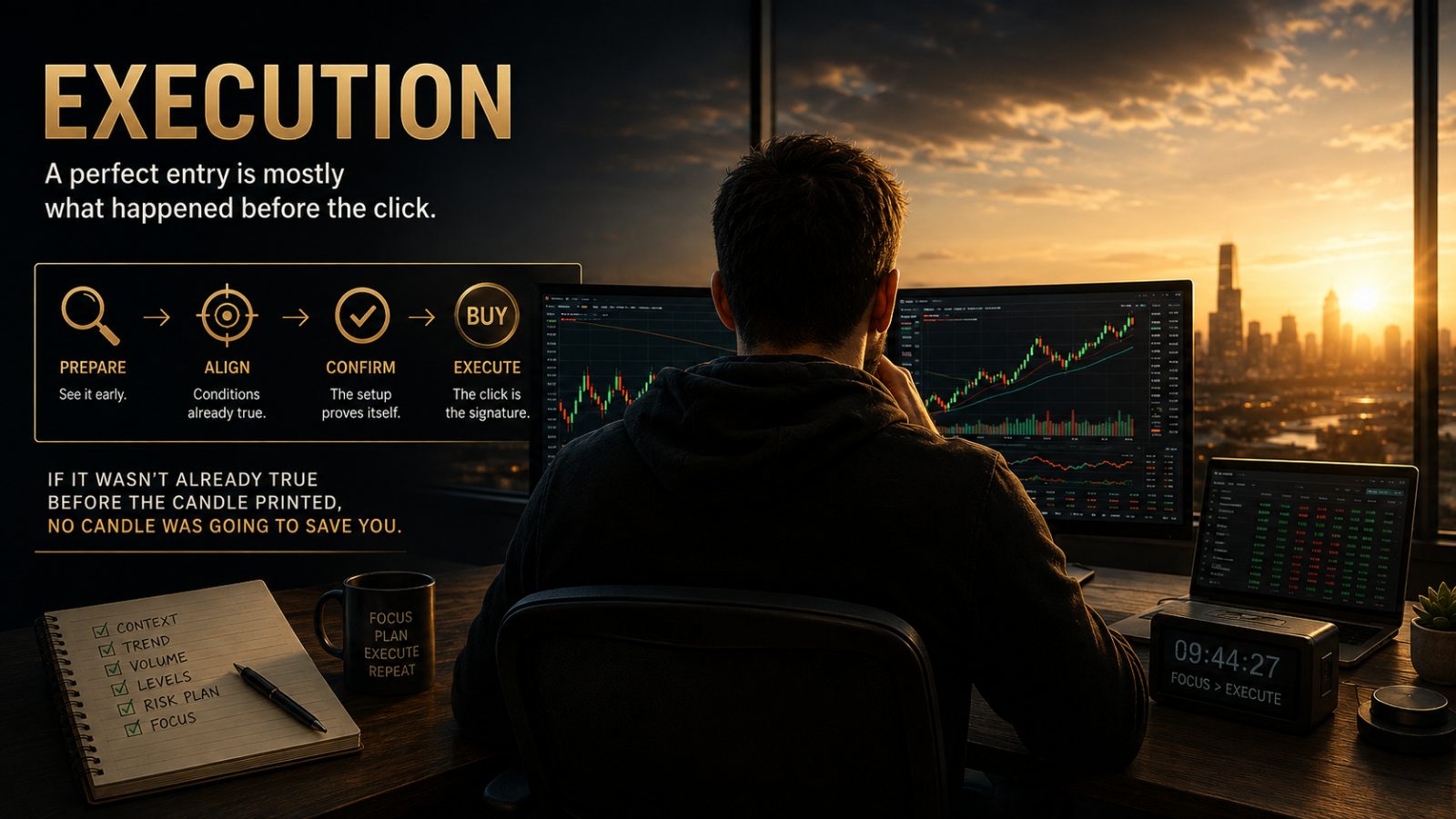
EXECUTION
A perfect entry is mostly what happened before the click
By the time your finger hits the button, the trade is already ninety percent decided — the anatomy of an entry is almost never the candle you remember.

RISK
The small loss is the only thing keeping you here
Every trader still standing after five years has one habit in common, and it isn't the one they brag about on Twitter.
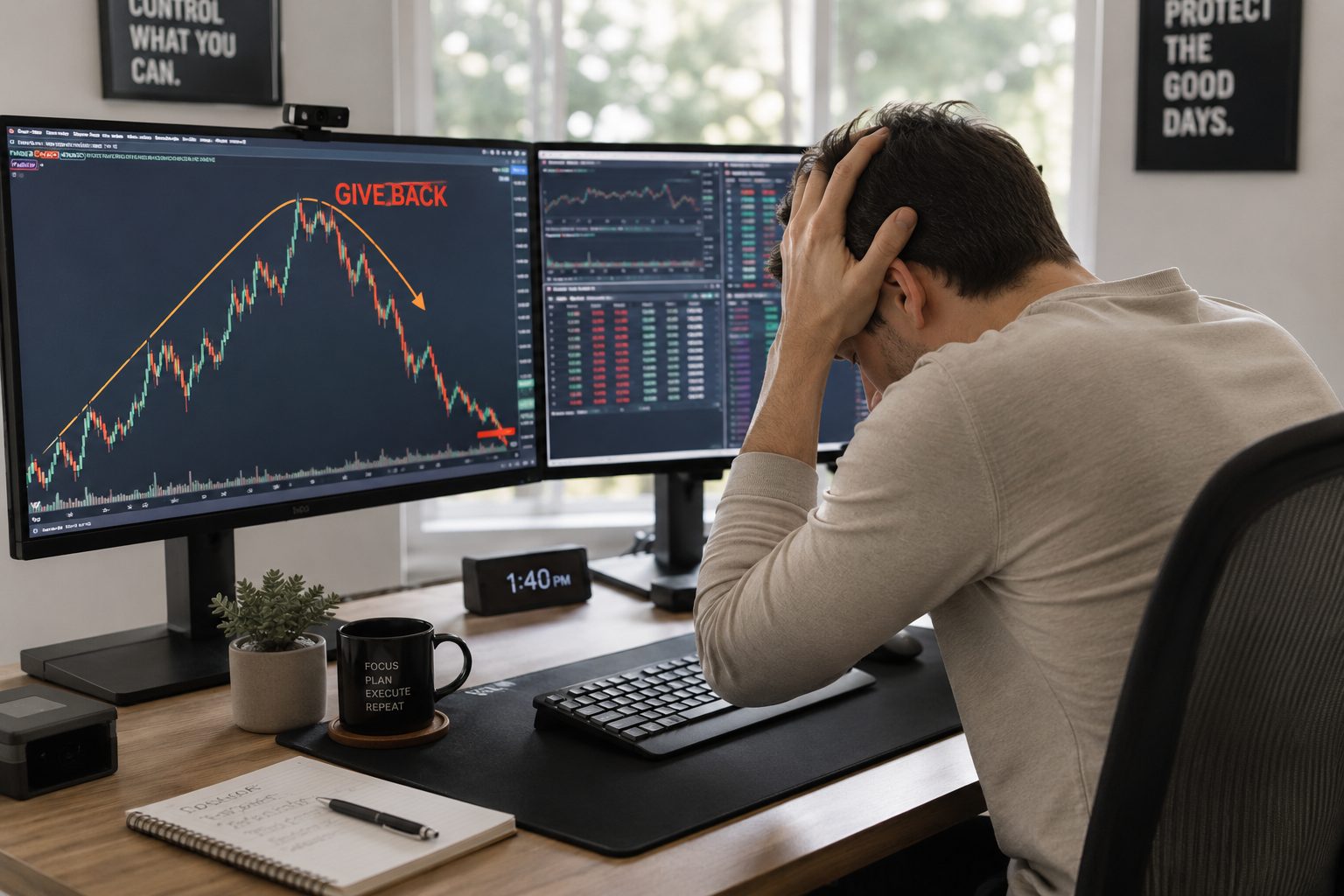
DISCIPLINE
You didn't lose the money — you gave it back
Every trader who's ever been up big and finished flat knows the specific nausea of giving back. It isn't a loss. It's a return. And the mechanics are different.

EXECUTION
Random trades feel like decisions. They aren't.
Most of what a struggling trader calls a setup is just a shape their eyes noticed while their account was open and their finger was ready.

EXECUTION
Your trading OS is running whether you wrote it or not
Every trader operates from a system. The only question is whether you authored it on purpose or inherited it by accident from the last three losses you took.
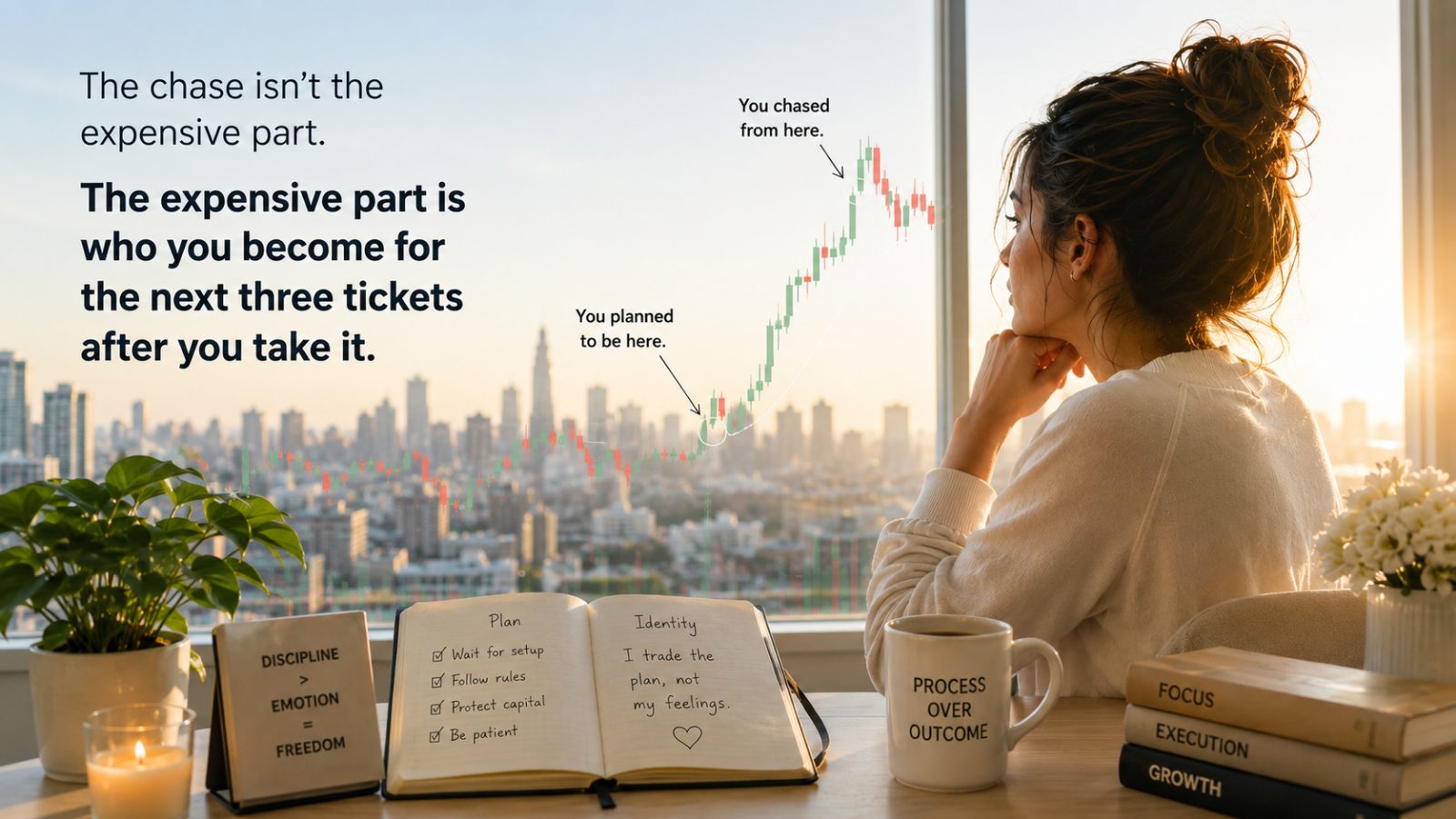
PSYCHOLOGY
The bill FOMO hands you shows up three trades later
The chase isn't the expensive part. The expensive part is who you become for the next three tickets after you take it.
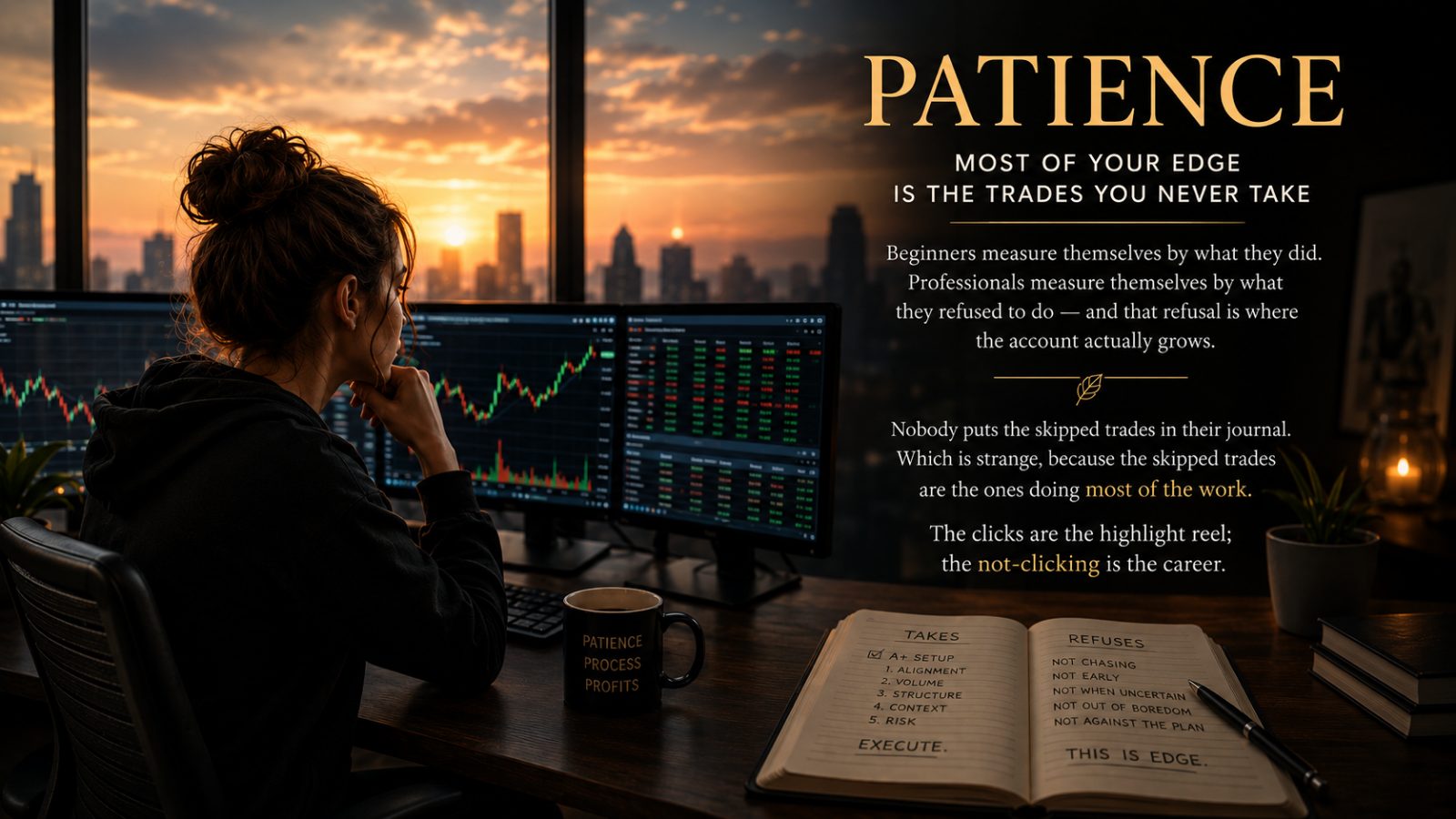
PATIENCE
Most of your edge is the trades you never take
Beginners measure themselves by what they did. Professionals measure themselves by what they refused to do — and that refusal is where the account actually grows.
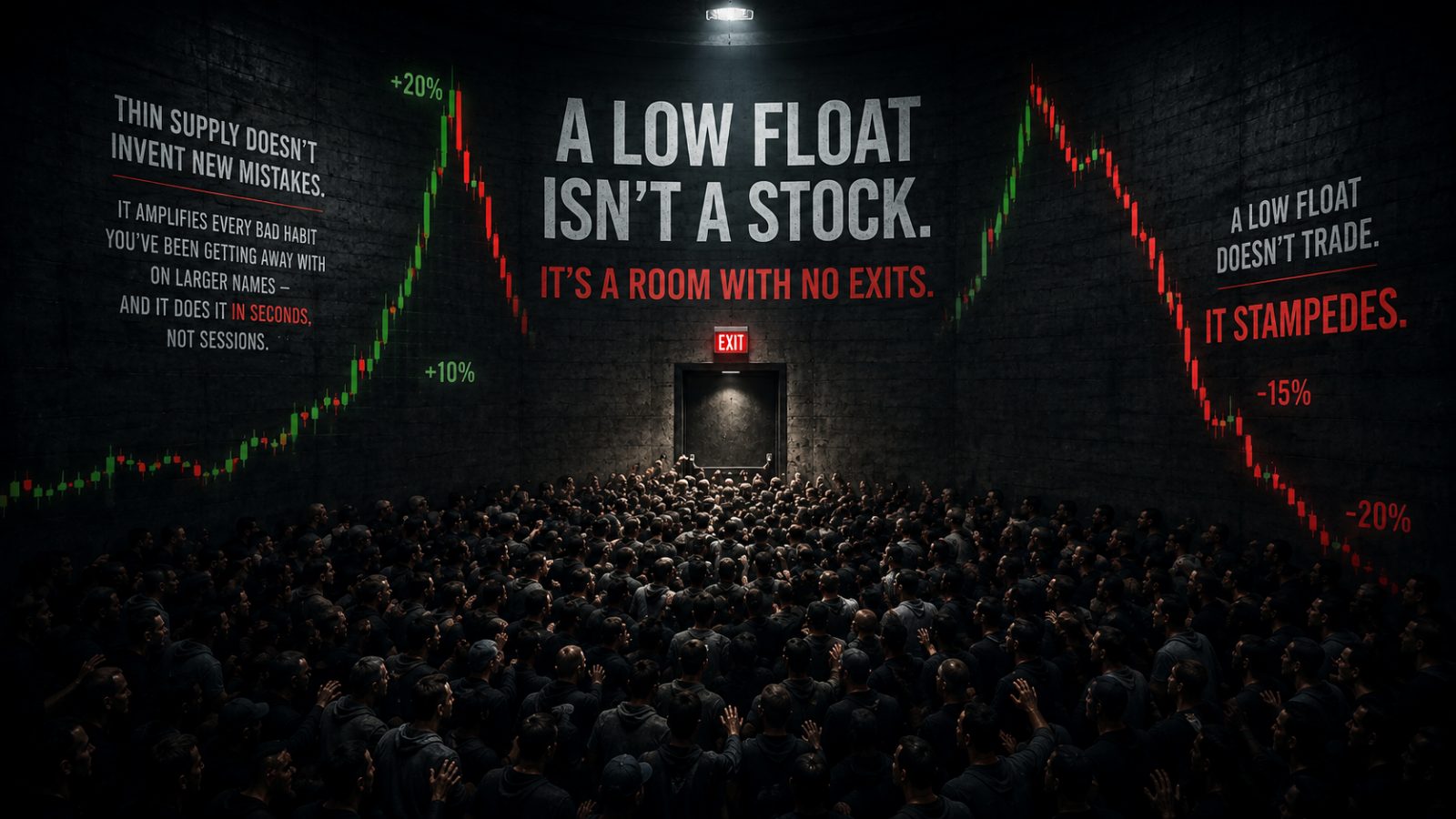
EXECUTION
A low float isn't a stock. It's a room with no exits.
Thin supply doesn't invent new mistakes. It amplifies every bad habit you've been getting away with on larger names — and it does it in seconds, not sessions.

CONDITIONING
Meditation isn't wellness — it's risk management
Why the pre-market sit is nervous-system inoculation, not self-care — and why the trader who skips it is trusting a version of himself that won't show up when it matters.
DISCIPLINE
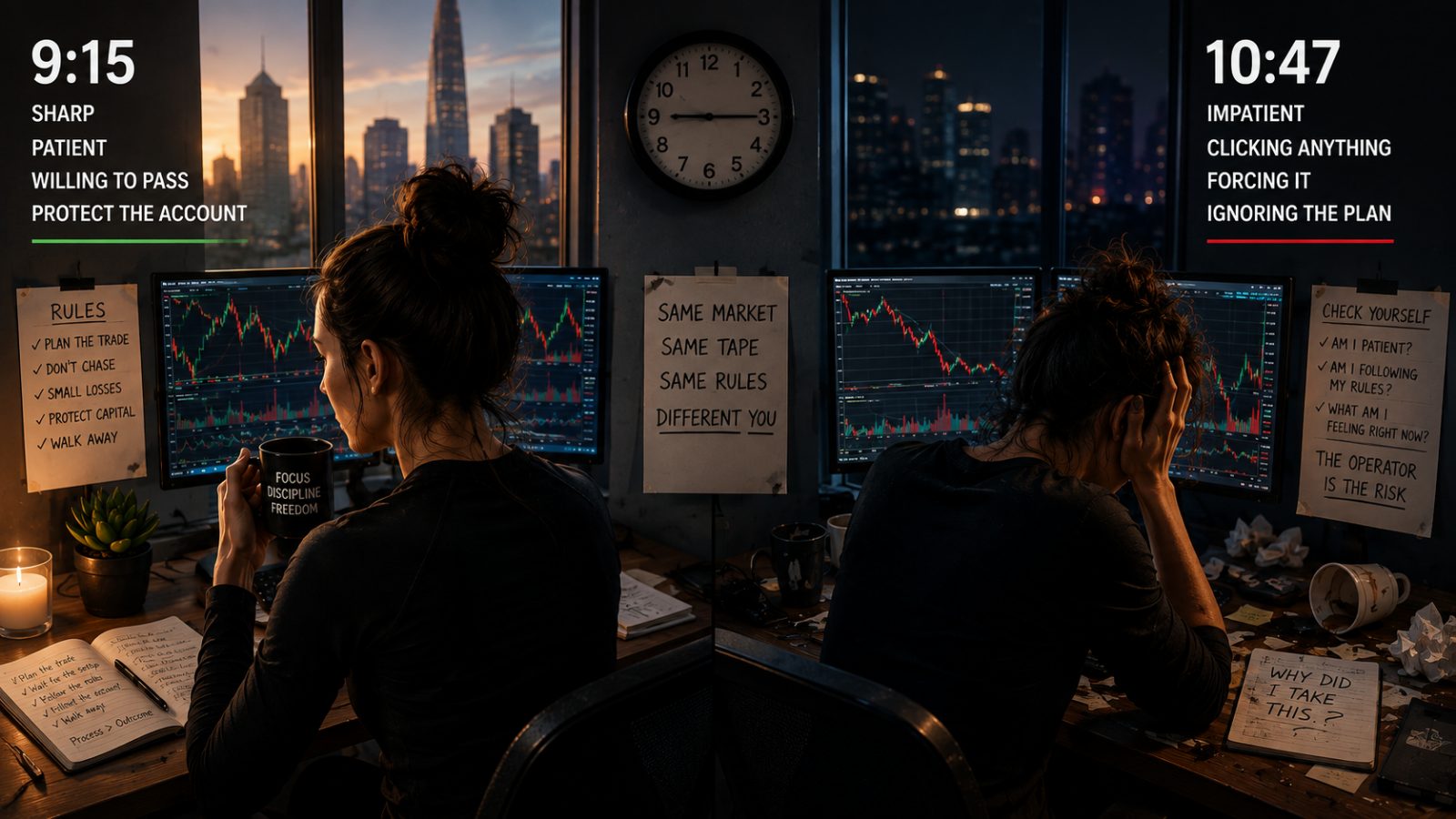
THE CHART DIDN'T CHANGE. YOU DID.
Your strategy didn’t break. Your state drifted — and you never noticed.
ROUTINE
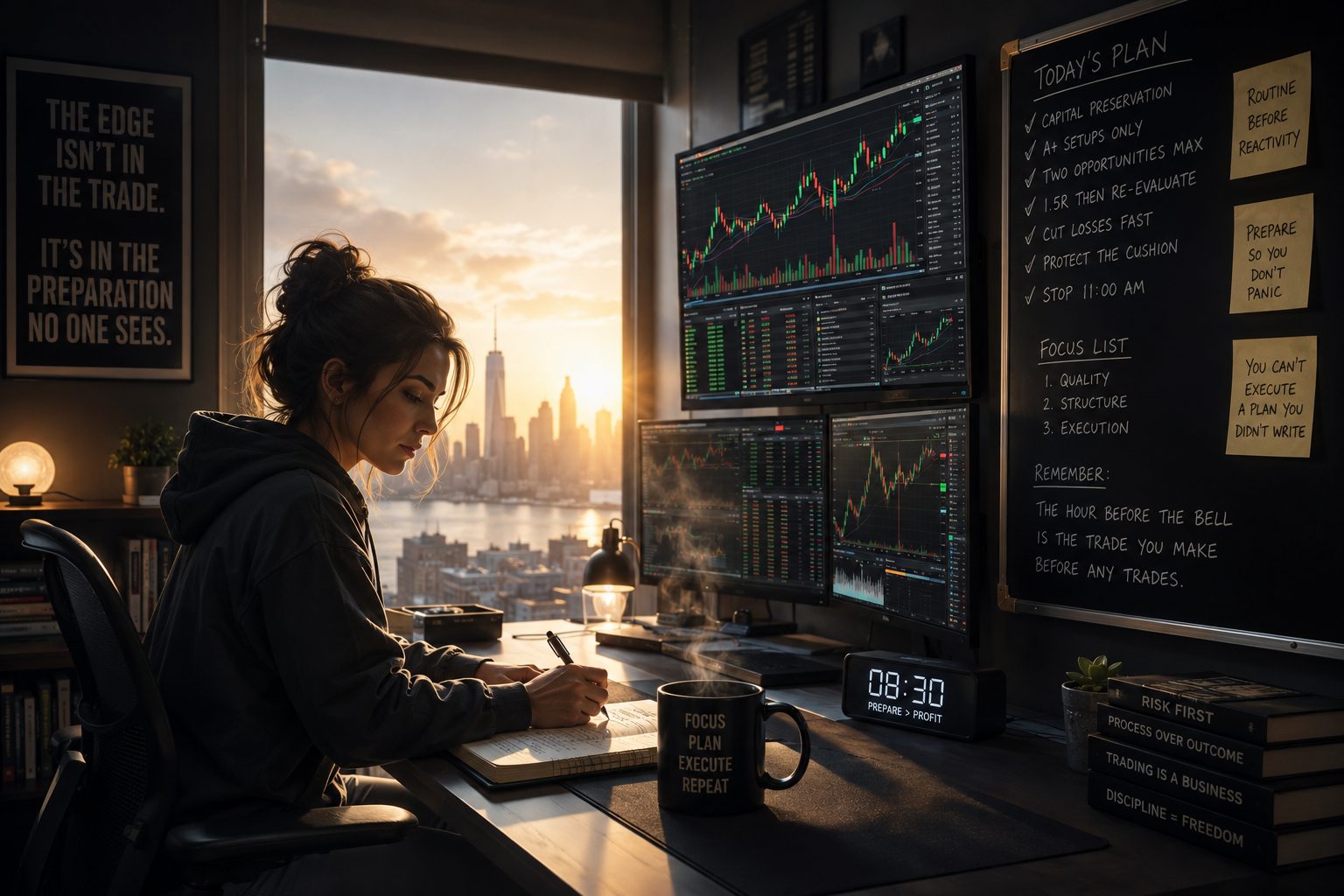
Getting in the zone is a sequence, not a mood
The hour before the bell isn't a warm-up. It's the trade you make before you place any trades, and most retail traders skip it because it doesn't feel like work.

EXECUTION
The trade you don't take is still a trade
The no-trade decision is the hardest click in day trading, and the one nobody journals. Here's why sitting on your hands hurts more than losing.

RISK
The size-up trap: why winning makes you dangerous
Nobody blows up on a cold streak. The trade that hurts you tomorrow is the same size as the one that made you feel unstoppable today.

DISCIPLINE
You don't overtrade for money. You overtrade to feel something.
The tell is not in the setup. It's in the twenty seconds before the click, when nothing was happening and you could not stand it.
EXECUTION
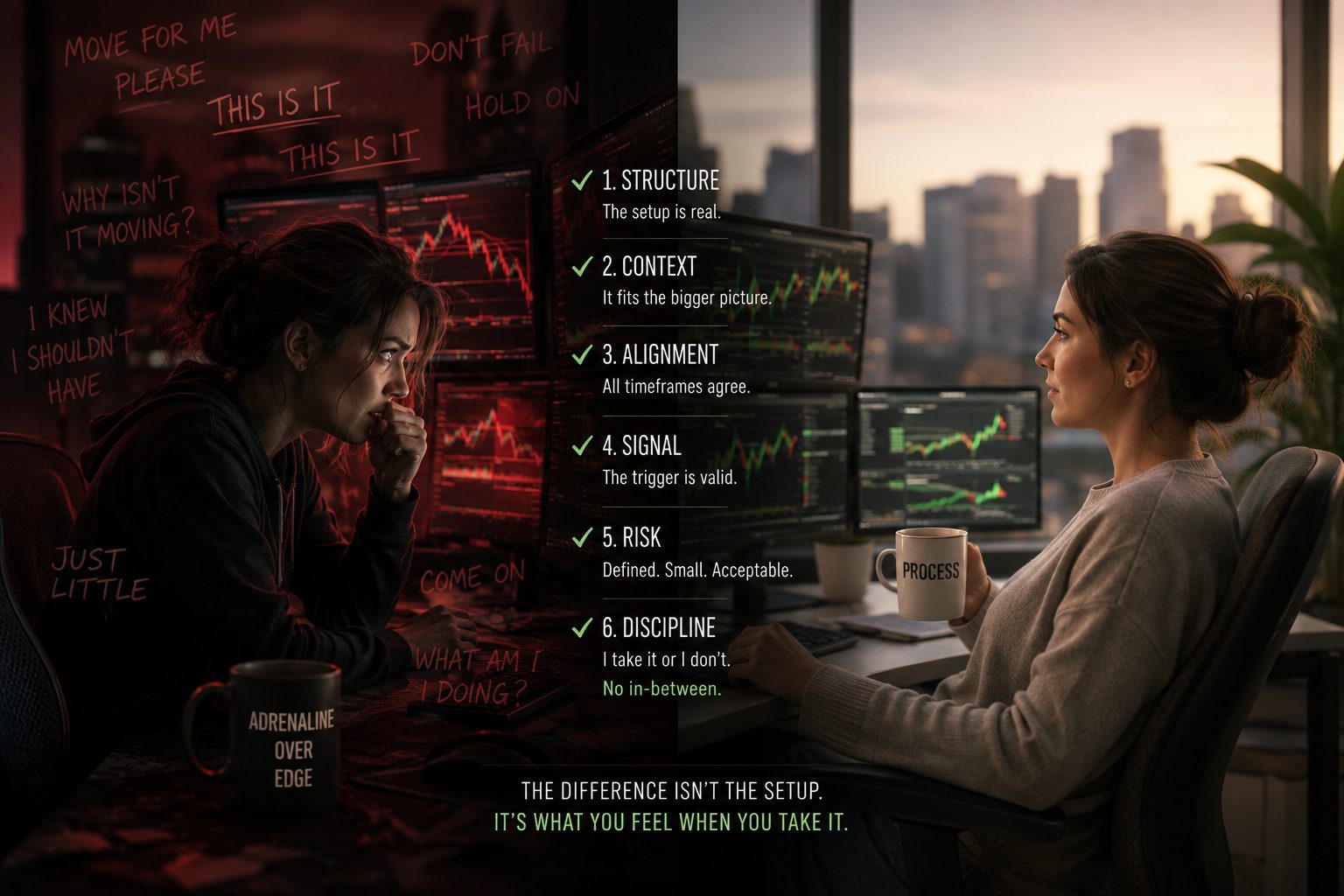
The anatomy of an entry you don't have to defend
A clean entry is boring, and that's the whole point — here's what's actually stacked behind the click, and why the sixth thing is the one that eats accounts.

RISK
You don't survive by winning. You survive by losing small.
The traders who compound aren't the ones with the best entries. They're the ones who never let a loss become a story. Here's why the small loss is the whole game.

DISCIPLINE
The green-to-red day is not a loss. It's a decision.
Giving back a winning day isn't a market event. It's a sequence of small permissions you granted yourself while your P&L was still smiling at you.
EXECUTION
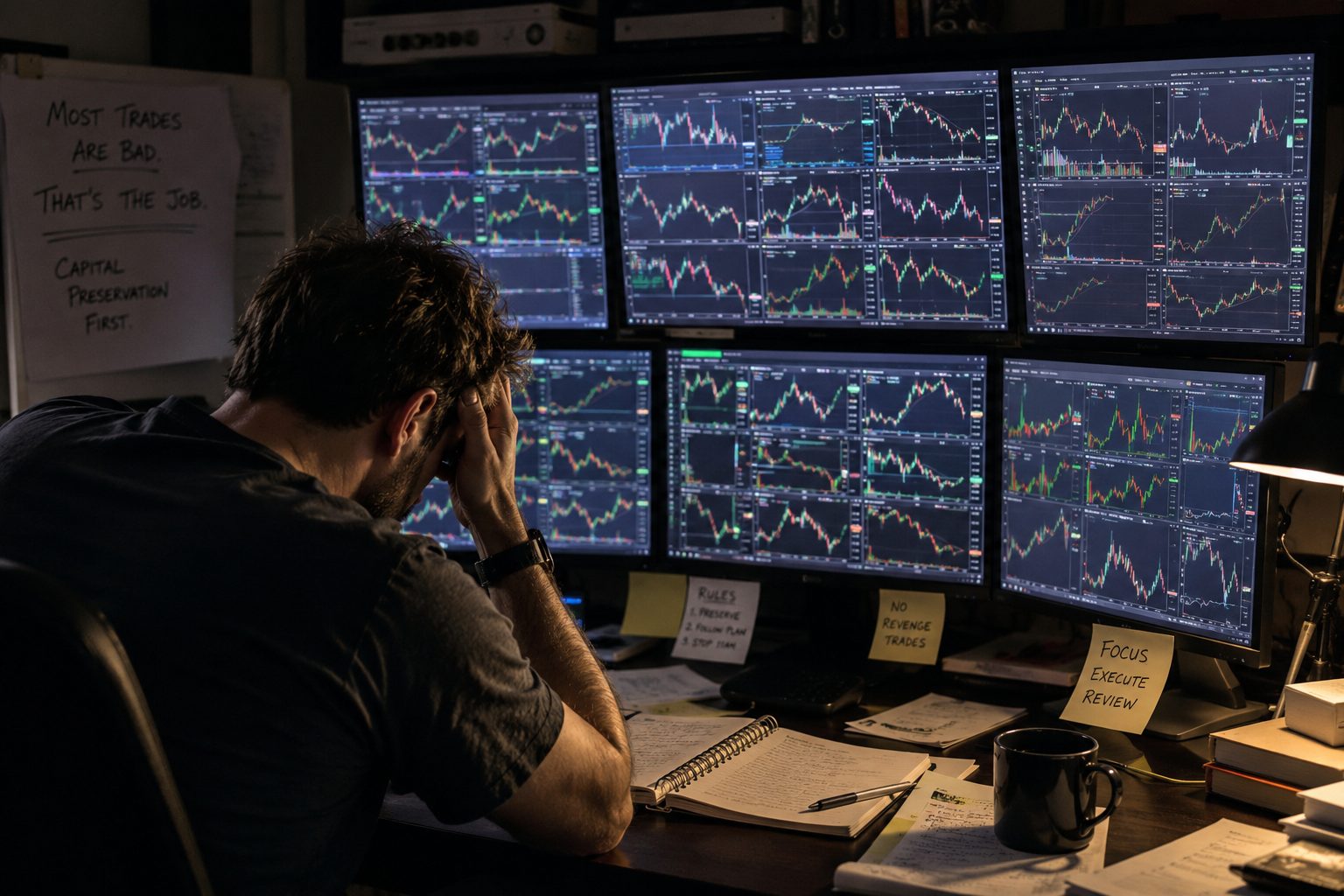
Most of your trades share nothing in common
You call it flexibility. The account calls it noise. Here is what randomness actually looks like when you stack a month of clicks side by side.
EXECUTION
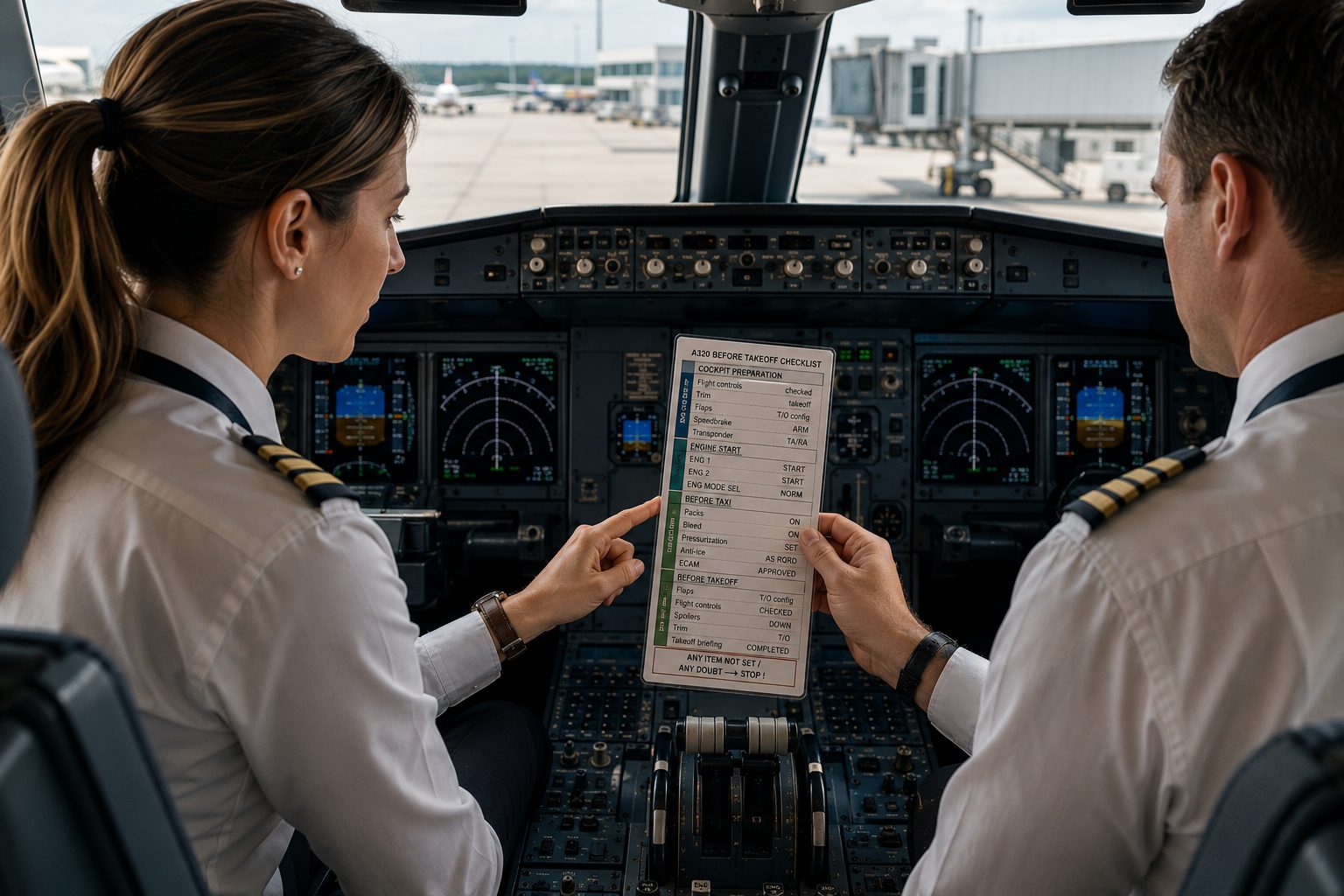
Your trading needs an operating system, not more motivation
Discipline isn't a personality trait you summon on hard mornings. It's a sequence you built while calm and follow while you're not.
PSYCHOLOGY
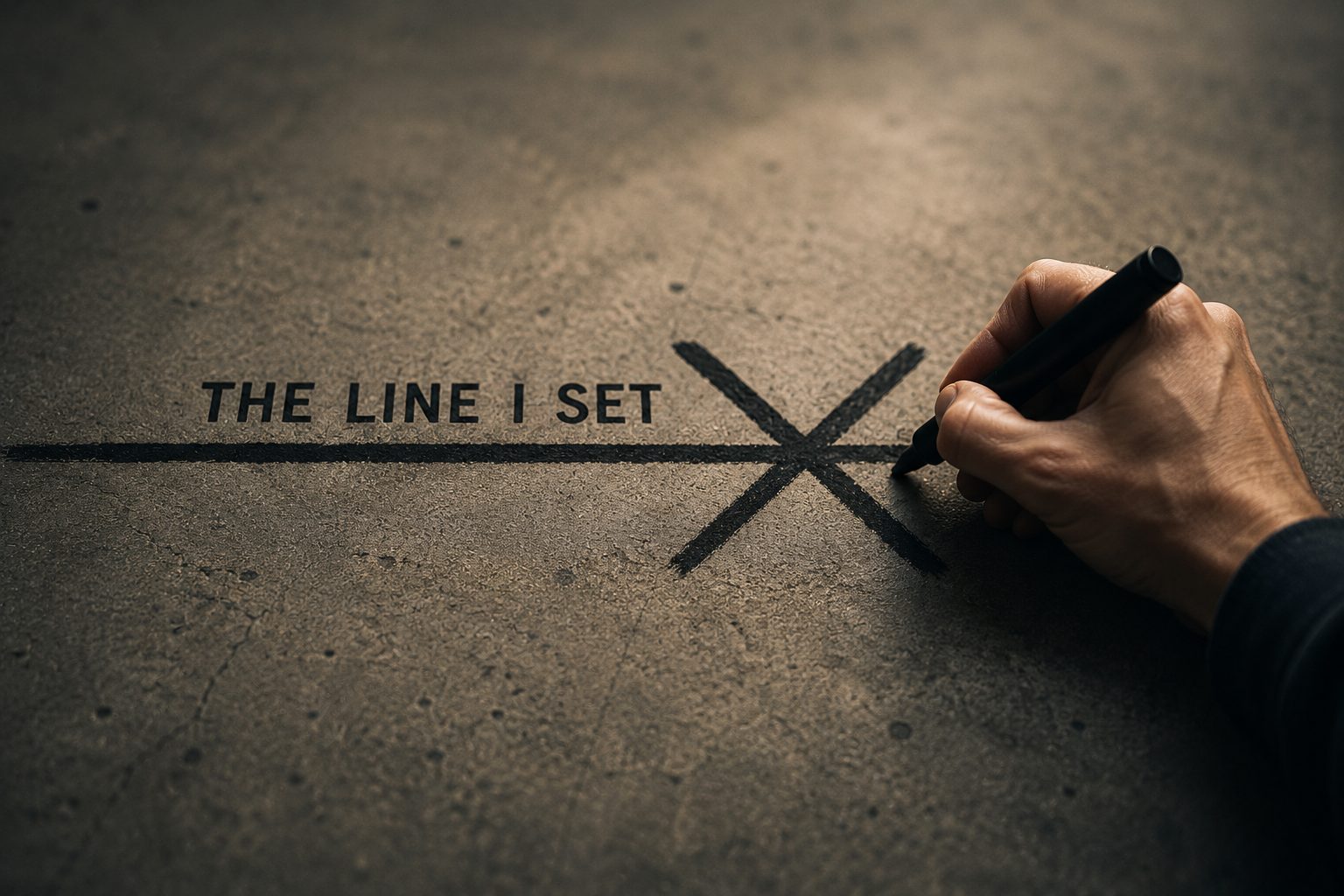
THE LINE YOU DREW. THEN CROSSED.
You set a daily loss limit for a reason. But then you easily ignored it.

PSYCHOLOGY
FOMO doesn't cost you the move you missed. It costs you the next one.
The runner that left without you is free. The trade you took ninety seconds later, half-sized wrong on a lower-quality setup, is where the day actually died.

PATIENCE
Why winning traders skip more trades than they take
The trader who keeps her account isn't the one hunting all day. She's the one who lets ninety percent of the day pass without moving a finger.
RISK
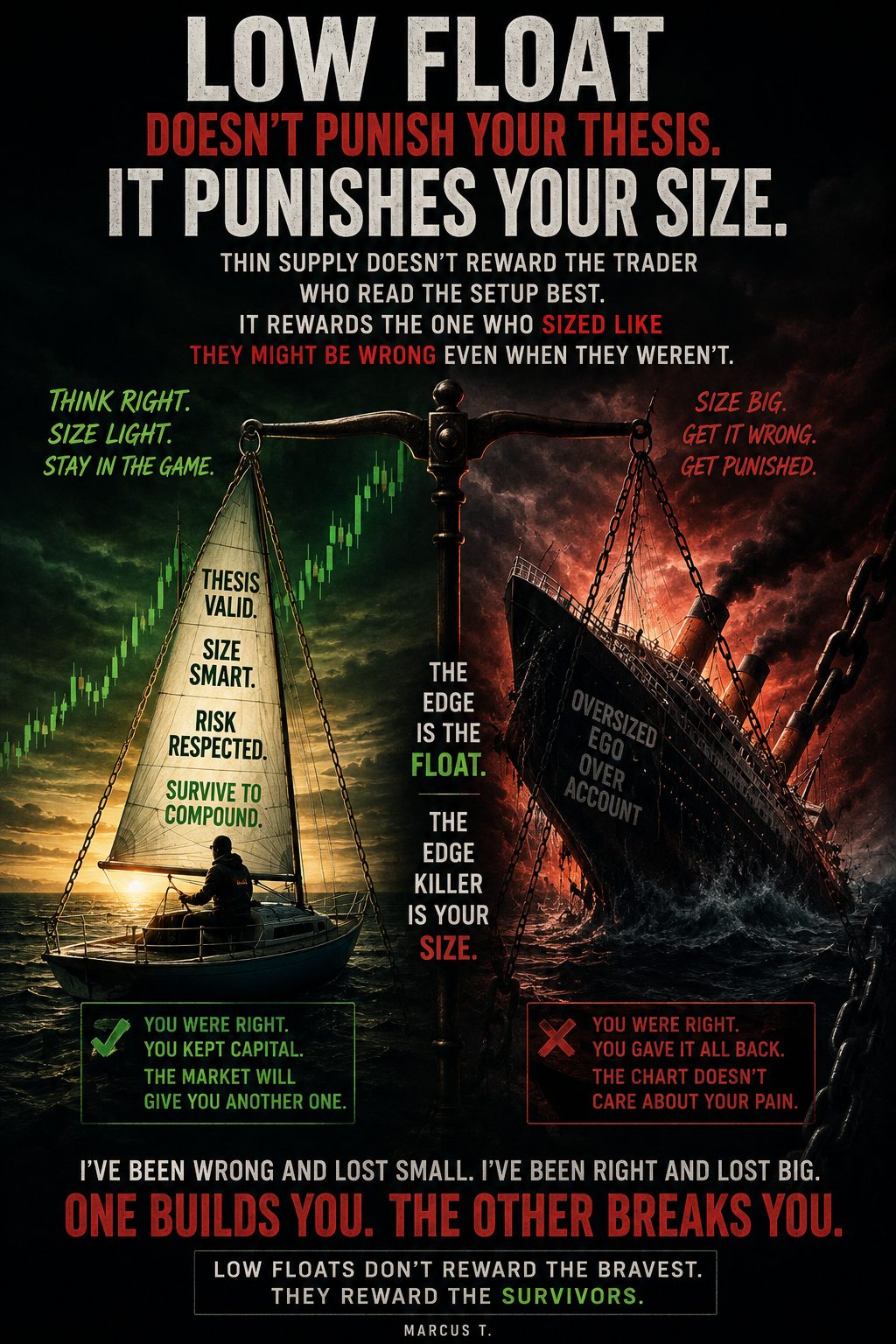
Low float doesn't punish your thesis. It punishes your size.
Thin supply doesn't reward the trader who read the setup best. It rewards the one who sized like they might be wrong even when they weren't.

MENTAL CONDITIONING
Meditation isn't wellness. It's risk management.
The pre-market sit isn't a spa treatment. It's the reason your prefrontal cortex is still online when the first fake breakout tries to bait you.
ROUTINE
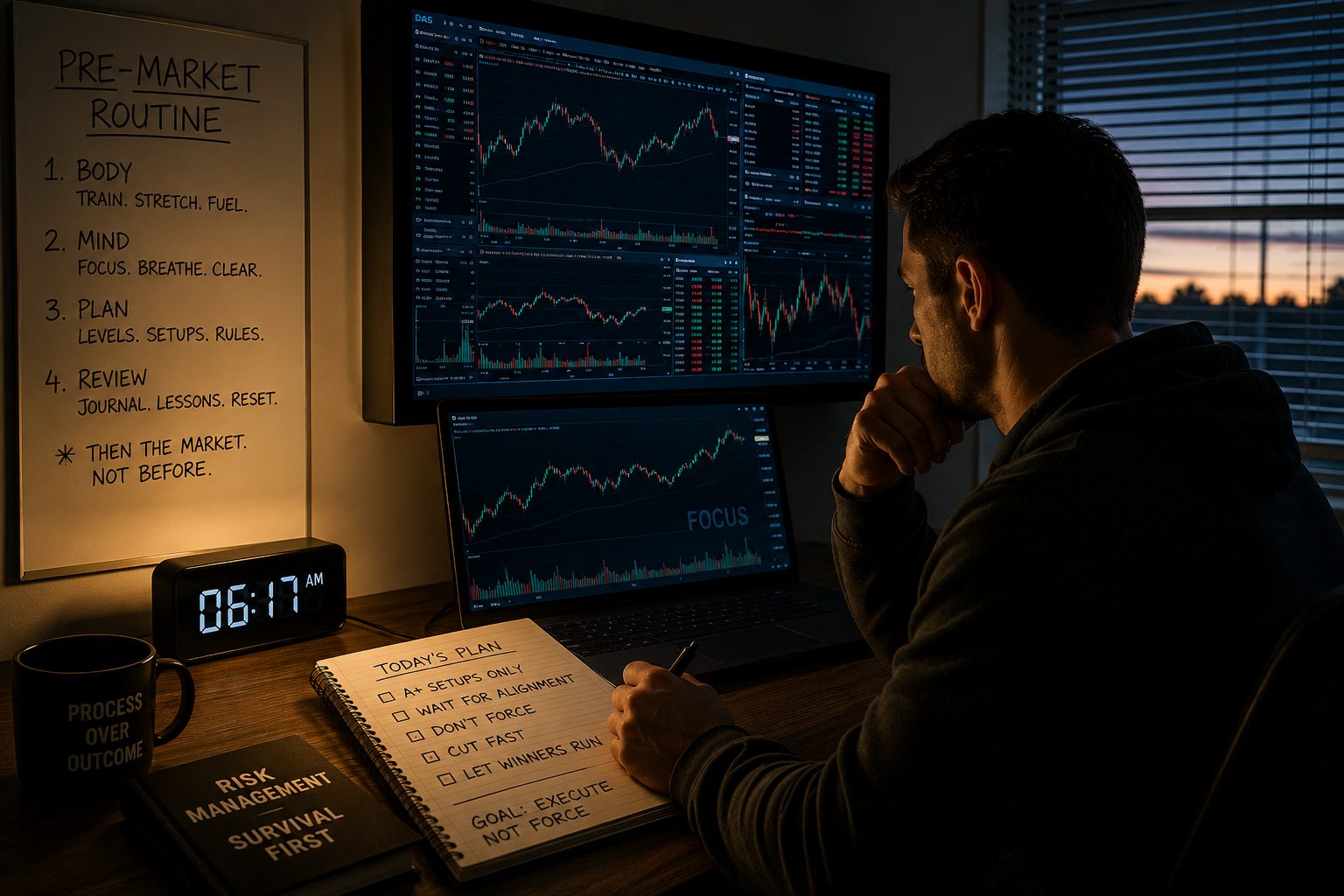
The pre-market routine isn't a vibe, it's a sequence
Getting in the zone before the bell isn't a mood you summon. It's four moves in order, and skipping any of them shows up in your first trade.
DISCIPLINE
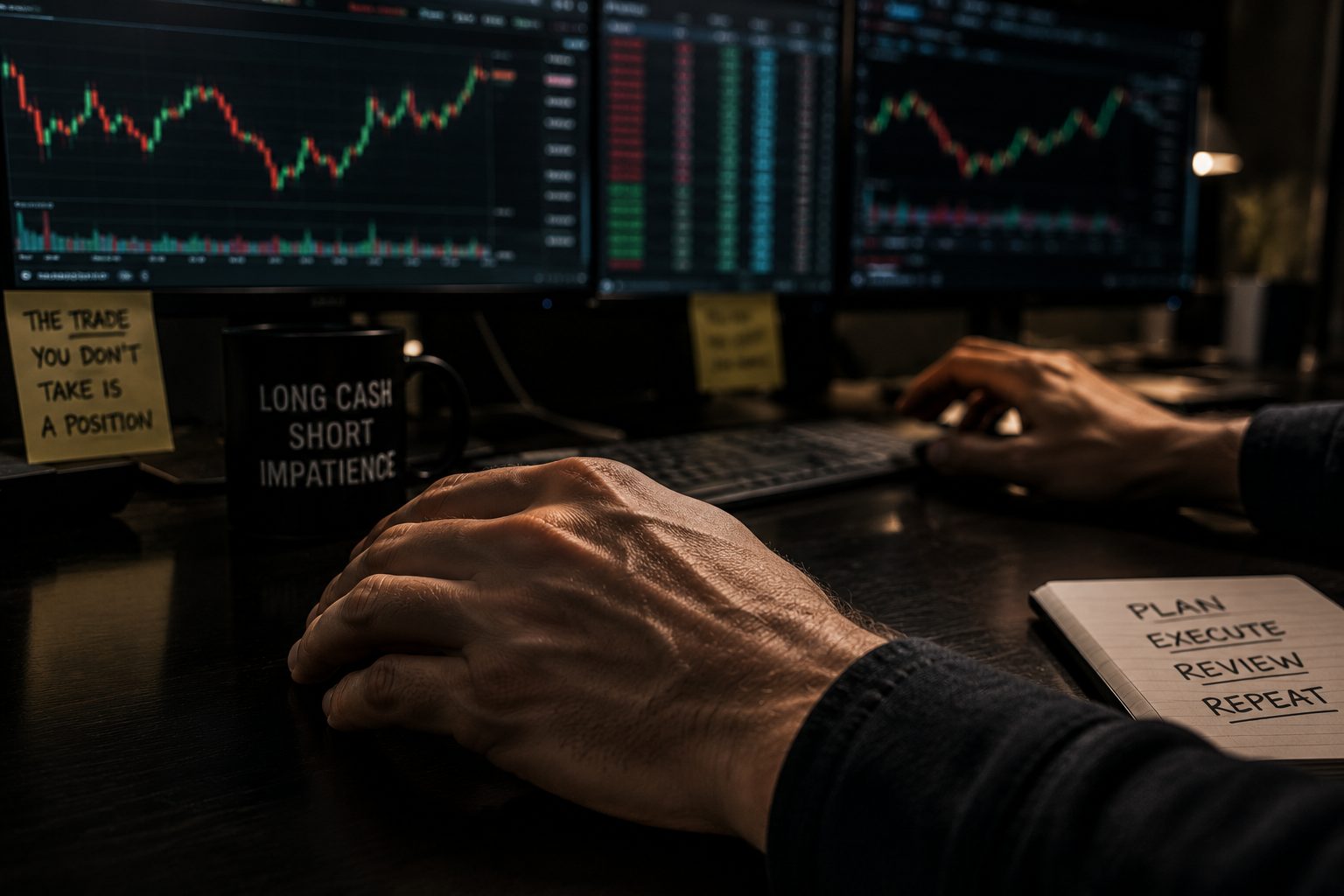
The trade you don't take is a position
For a small-cap day trader, staying flat isn't the absence of a decision. It is the decision — and it's the one your body was built to refuse.
RISK
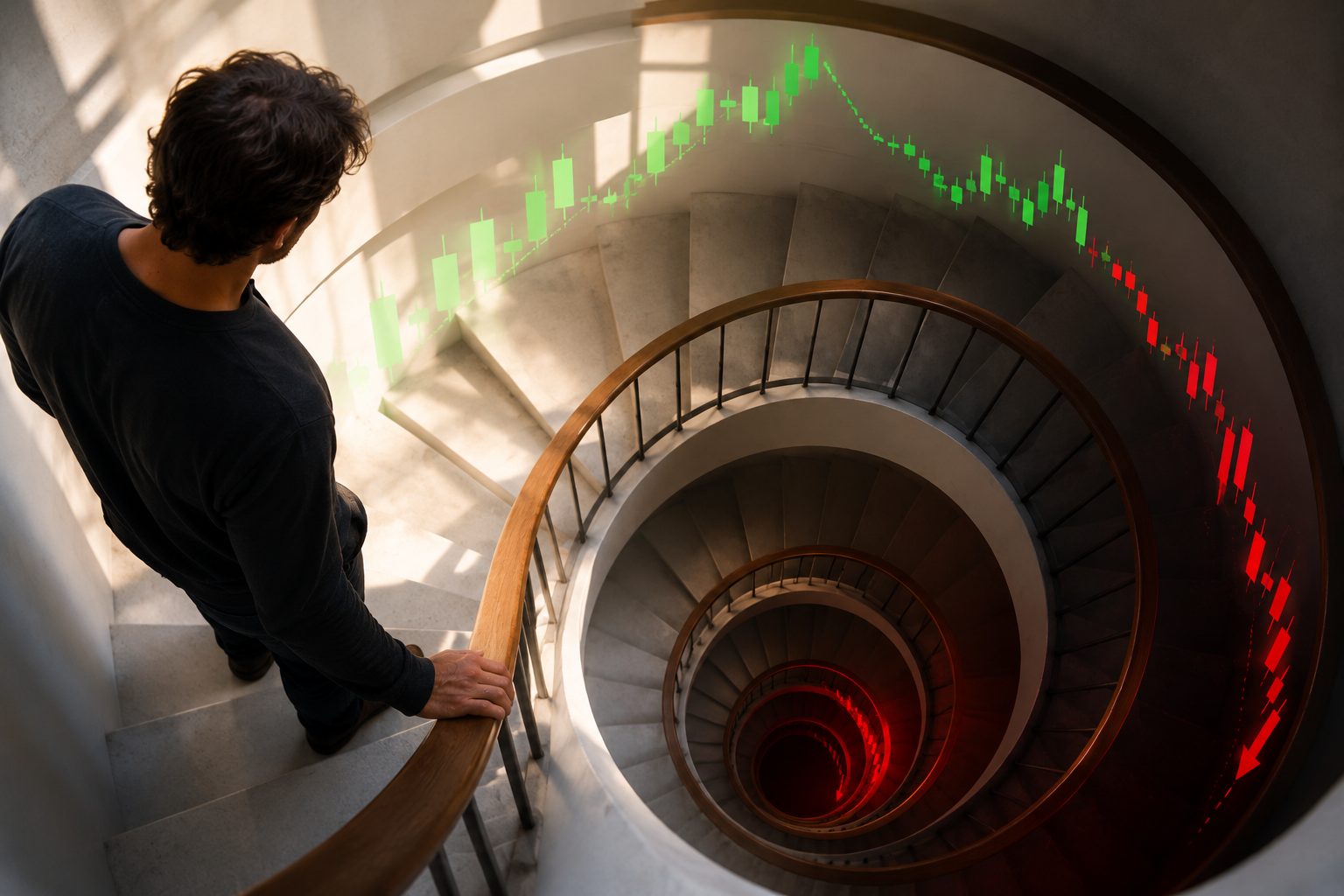
The size-up trap: why winning makes you dangerous
The green trade is quietly the setup for the red one. Not because your read got worse — because your size got bigger and you never noticed.

PSYCHOLOGY
Overtrading is a nervous system problem, not a strategy problem
You don't overtrade because you're bad at trading. You overtrade because sitting still with a live account feels like drowning.

EXECUTION
A clean entry is decided before the setup arrives
Most breakdowns of the perfect entry stop at the chart. The chart is the last ten percent. The rest happened before price ever showed up.

RISK
A small loss is a complete trade. A big one isn't.
The traders who last aren't the ones who avoid losses. They're the ones who close them cleanly, before the loss decides to write its own ending.
DISCIPLINE
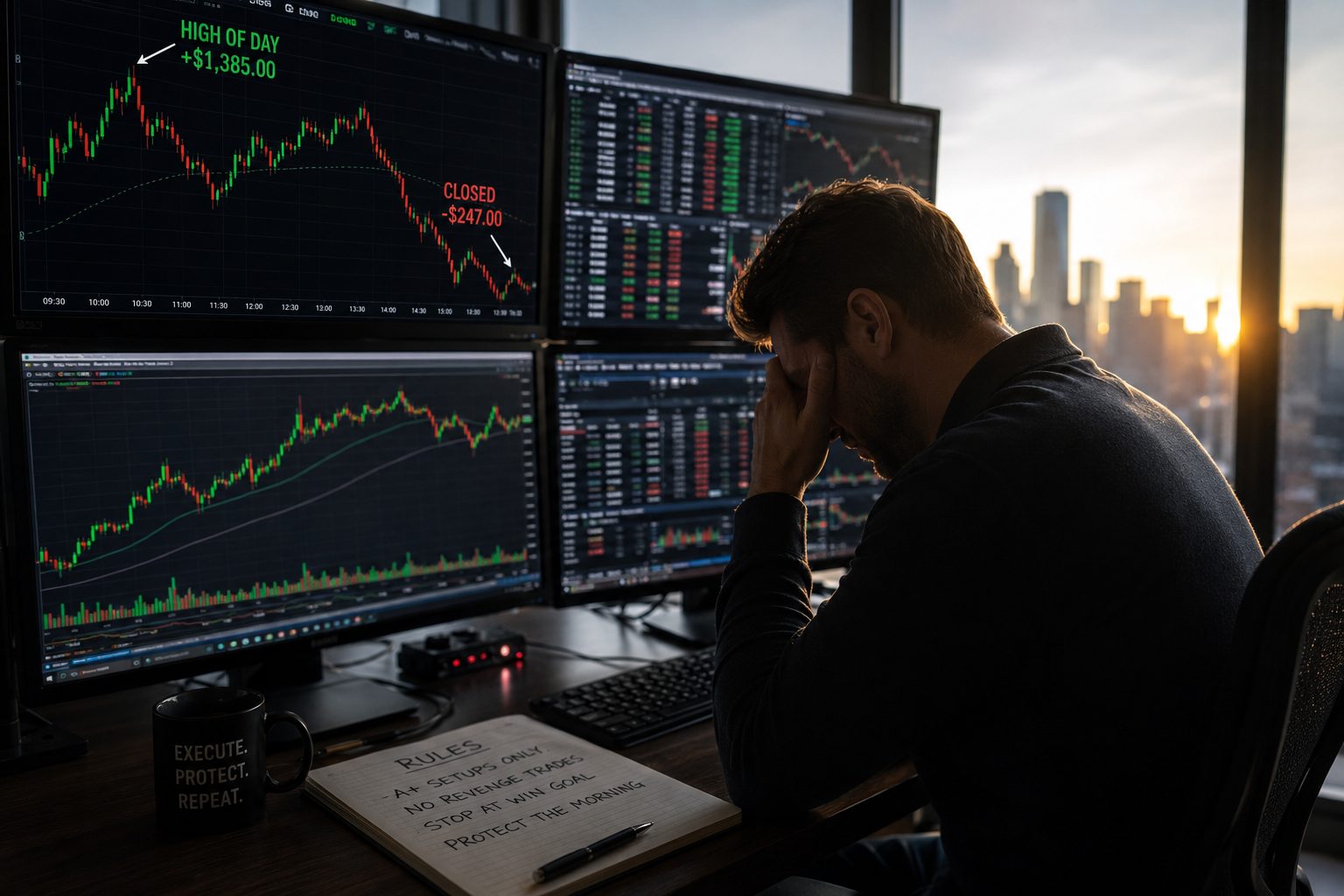
You don't lose the money. You give it back.
About the strange, quiet way a green morning becomes a red afternoon, and why it almost never looks like a blowup while it's happening.

DISCIPLINE
The Hardest Trade Is No Trade

EXECUTION
Random trades don't feel random until you count them
You don't have a losing edge. You have twelve edges, half of them borrowed, and no filter between them and the buy button.

PATIENCE
The best trade of your day is the one you skipped
Nobody keeps a screenshot of the trade they passed on, which is why most retail traders can't see the equity curve their skips actually built.

MARKET STRUCTURE
A small float doesn't move fast. It moves loud.
Low-float names don't punish you because they're quick. They punish you because there's nowhere for your indecision to hide inside the tape.

PHYSIOLOGY
The line your brain crosses before you notice
Calm traders don't make better decisions because they're centered. They make them because their nervous system never crossed the line where the thinking part goes offline.

MENTAL ACCOUNTING
Overtrading isn't a habit — it's an income strategy
Most traders aren't addicted to action. They're running a hidden payroll in their head — and the market never signed the contract.

ROUTINE
Getting in the zone isn't a vibe. It's a sequence.
The pre-market hour is where the trading day is actually won or lost. Four moves, in order, before the bell does anything at all.

PSYCHOLOGY
Her photo will stop you when your rules can't
Pre-commitment language fails the moment your hand is on the mouse. A face you love, taped to the monitor, doesn't argue — and that's why it works.

PSYCHOLOGY
Nobody journals the trade they didn't take
The hardest decision in a small-cap day leaves no receipt, no fill, and no entry in your spreadsheet — which is exactly why it never gets better.

EXECUTION
The size-up trap: why winning makes you dangerous
The green trade is rarely the problem. The size you take the next day, because of it, almost always is.

DISCIPLINE
Rules don't fail. Discipline does.
The Sunday-night rule sheet is honest work. The Tuesday-morning override is honest weakness. The gap between them is where the account actually lives.

MENTAL CONDITIONING
Meditation isn't wellness — it's risk management
The pre-market sit isn't about feeling centered. It's about raising the threshold at which your nervous system stops letting you read your own rules.

PSYCHOLOGY
The make-back trade is how one red day becomes seventeen
Nobody decides to have a three-week drawdown. They decide, seventeen times in a row, to even the score by close — and that's the whole mechanism.

MENTAL CONDITIONING
You can't out-discipline a bad night's sleep
The decision to trade tired isn't a discipline problem you can fix at the open. It's a chemistry problem you already lost the night before.

CONDITIONING
A photograph will save you when your rules won't
Your daily loss limit is a sentence on a page. The face taped to the edge of your monitor is a person. One of them survives the moment. Guess which.
PATIENCE
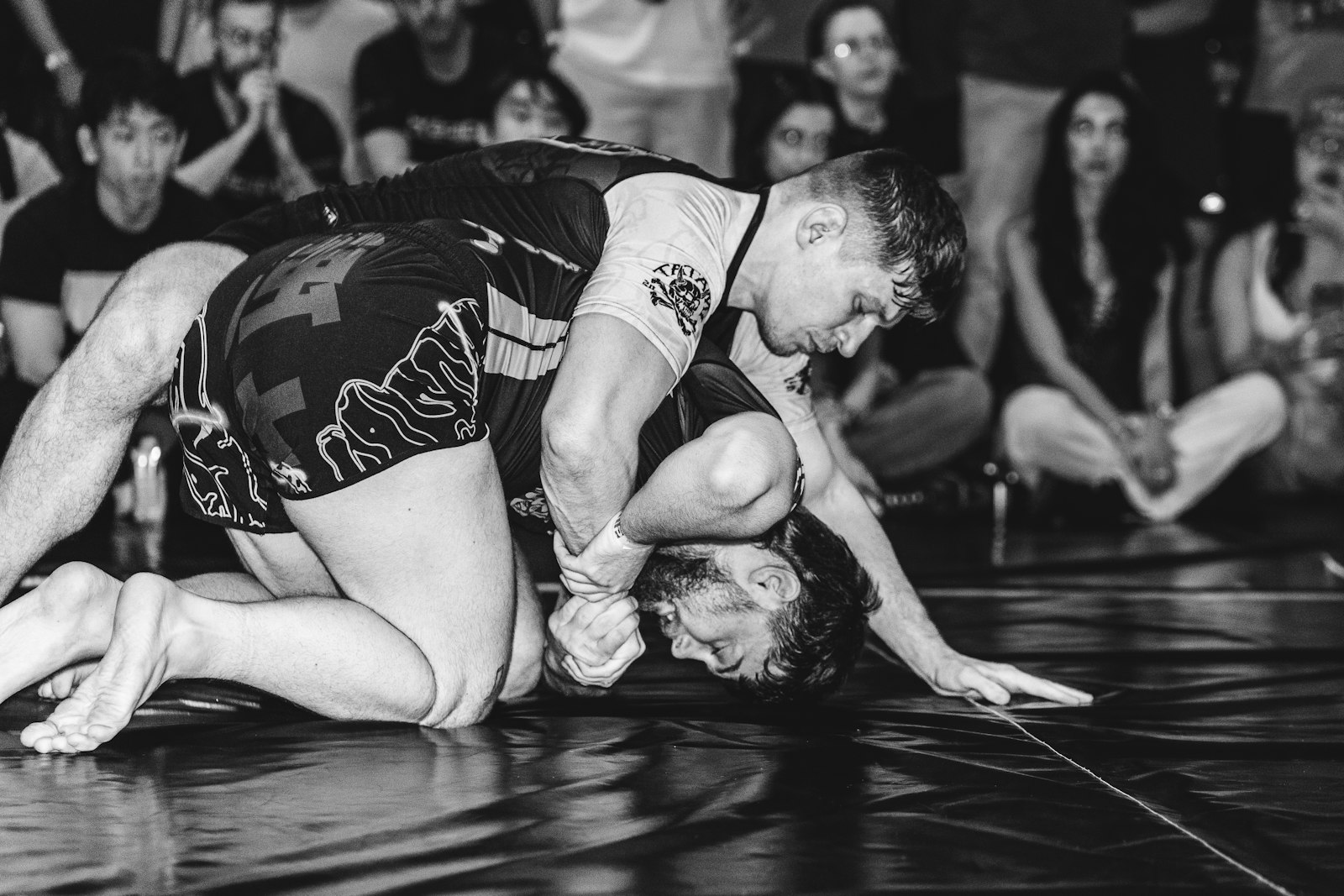
The no-trade is the hardest position to hold
Sitting on your hands isn't passive. It's an active position you have to hold against every instinct telling you to do something, anything, now.
RISK
Small accounts don't die from losses. They die from frequency.
The math that buries a small-cap trader running a small account isn't the size of the red days — it's the number of trades it takes to feel busy enough to deserve them.
EXECUTION
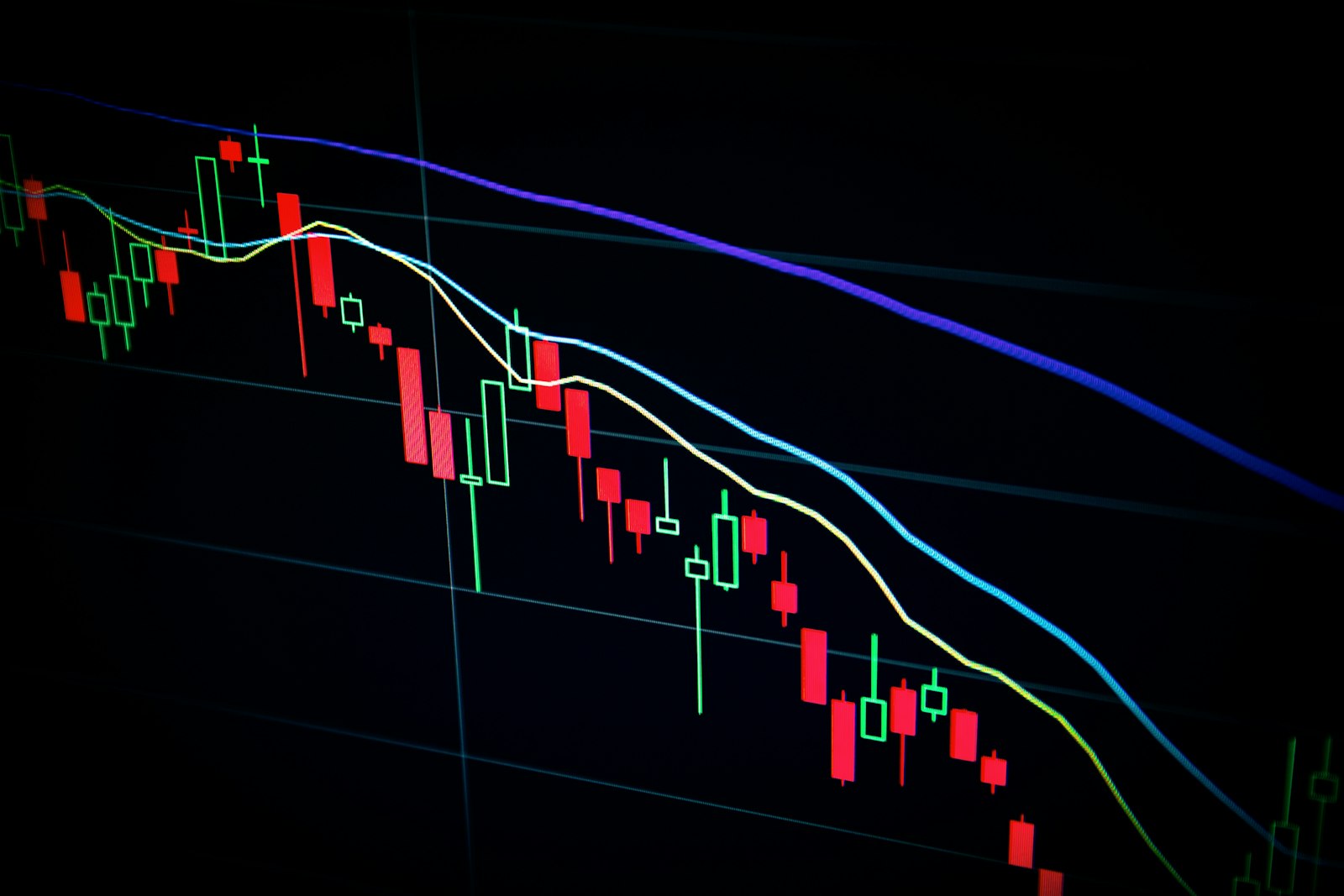
Green streaks don't end. They get upgraded.
The win never stops you. The size you take after the win does — and the ratchet that decides that size only points one direction.

DISCIPLINE
Your Sunday self can't save your Tuesday self
The rule you wrote calmly on Sunday belongs to a different person by 10:09am Tuesday, and that person doesn't take notes from you.
DISCIPLINE
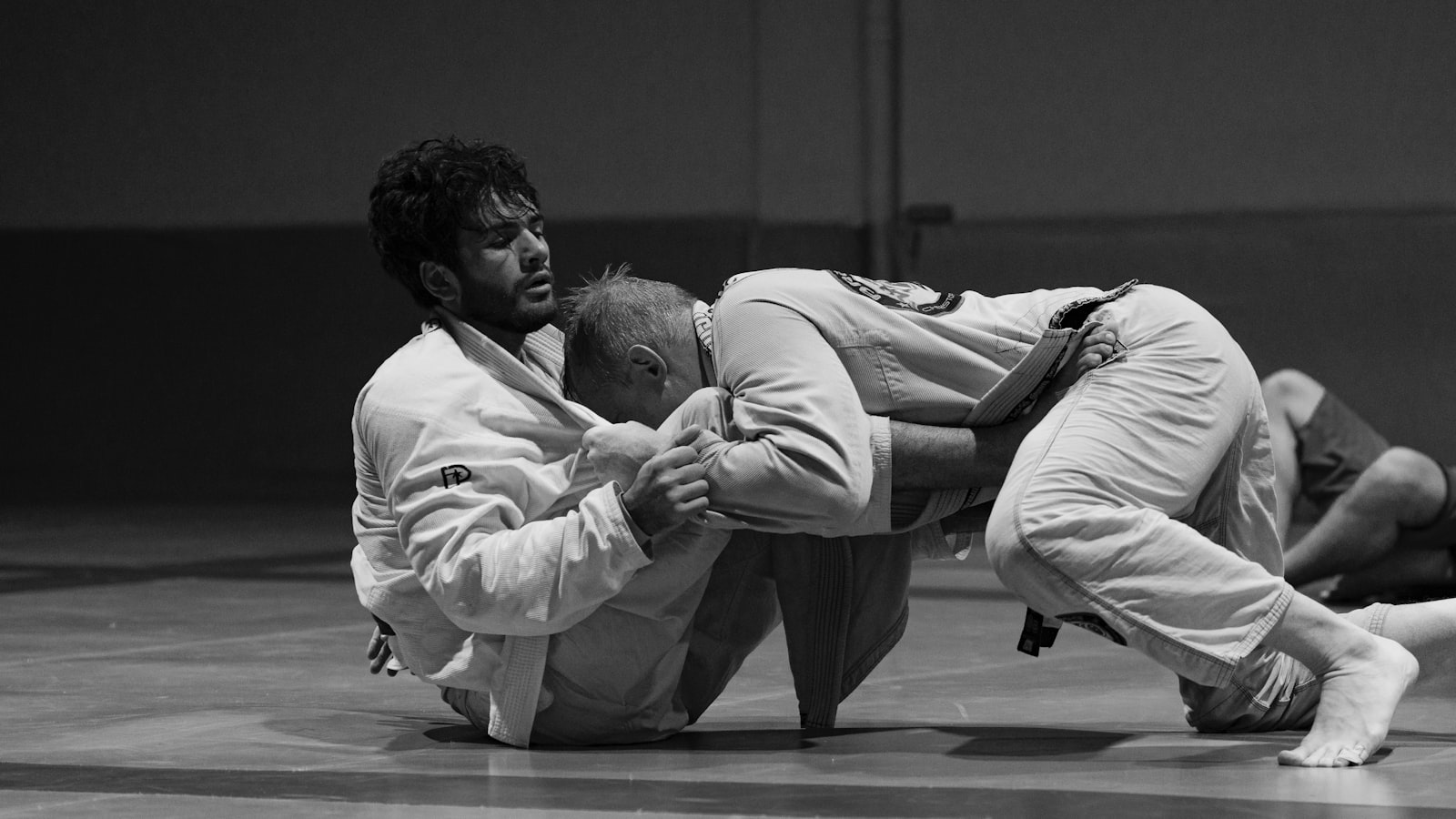
The tap is the skill the market won't teach you
On the mat you learn to surrender early so you can roll again tomorrow — in the account, nobody makes you tap until it's already too late.

PSYCHOLOGY
Overtrading isn't a habit — it's an income strategy
The hidden mental accounting that turns one bad small-cap day into seventeen, and the comp-time fantasy that keeps you clicking long after your edge has left the room.
PSYCHOLOGY
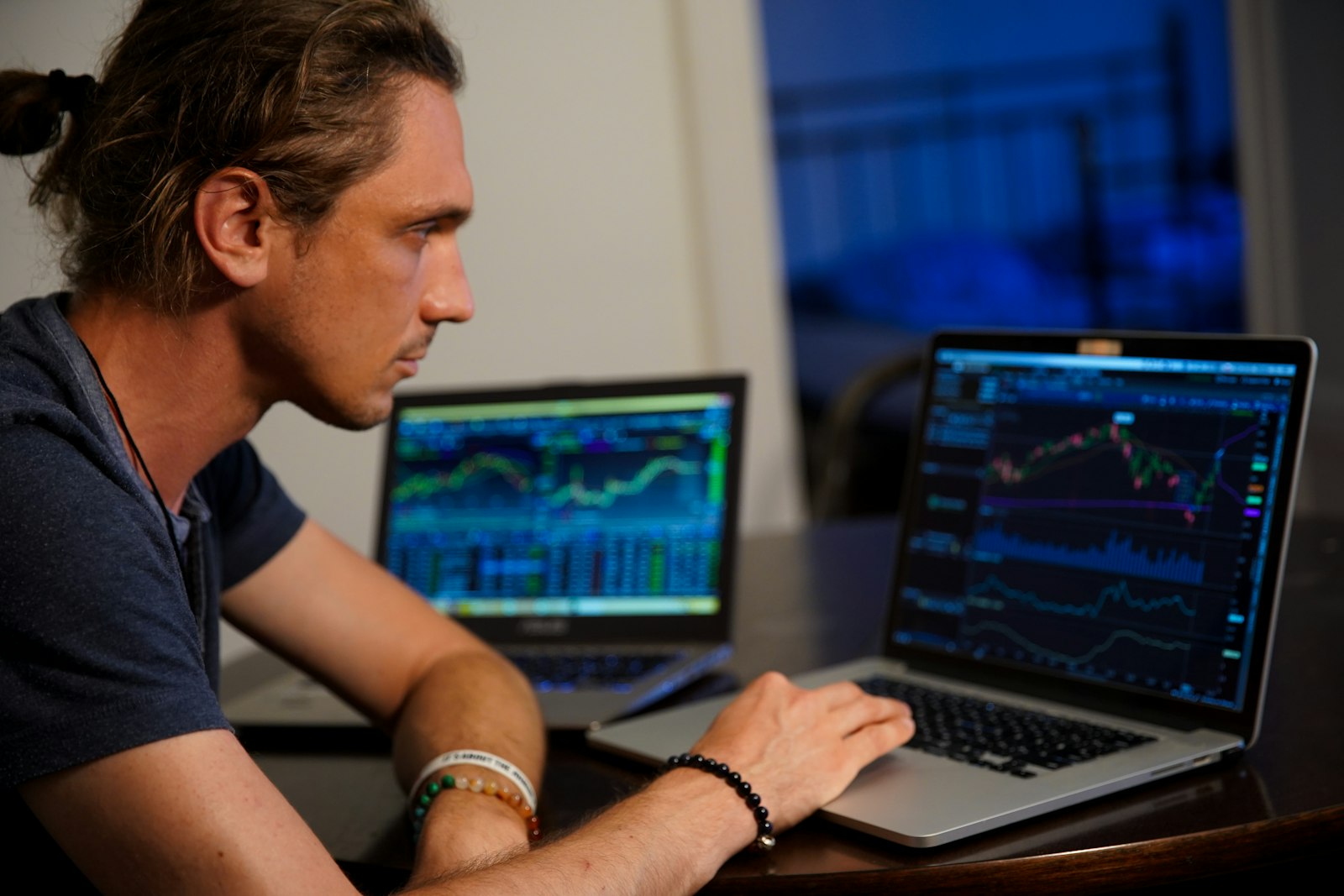
The cortisol curve is the risk plan you forgot to write
Every trader writes rules for entries and stops. Almost none write rules for the chemistry that will decide whether they follow either one.

PSYCHOLOGY
Profitable traders are boring people
The personality that's drawn to day trading is not the personality that survives it, and most of the work is becoming someone duller than you wanted to be.

PATIENCE
The trade you don't take is the one that pays you
For a small-cap day trader, refusing to click is a harder skill than clicking — and almost no one practices it on purpose.

PSYCHOLOGY
The neurochemistry of the trade you take after the one that hurt
Revenge trading isn't a character flaw. It's a chemical loop your brain runs every time a loss lands harder than you expected, and it has a tell.

EXECUTION
The size-up trap: why winning makes you dangerous
The green trade isn't the reward. It's the setup. Here's how a four-day streak quietly turns into the position that gives it all back.
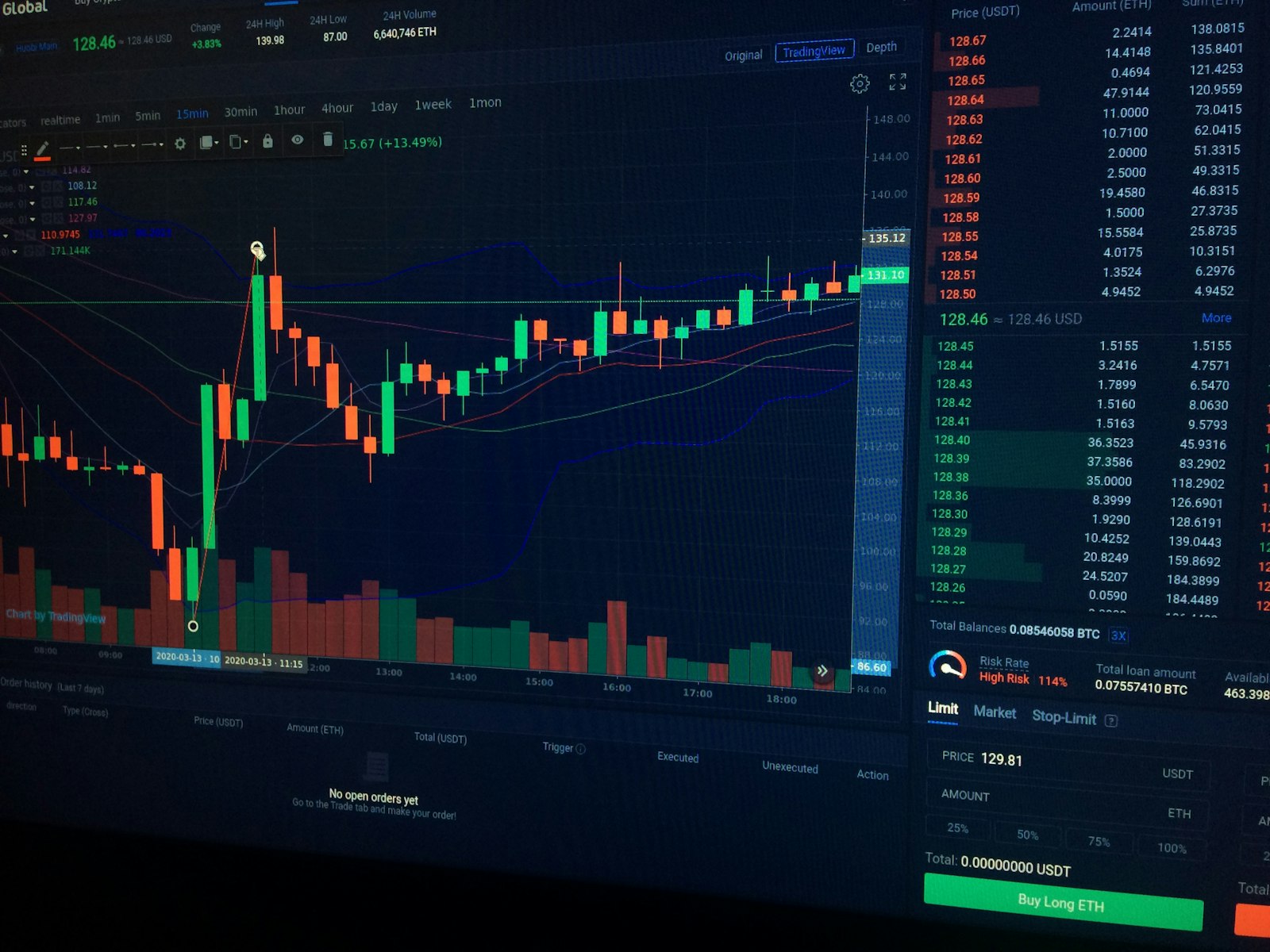
DISCIPLINE
Discipline is harder when the account is smaller
The funded trader has a cushion. The small-account trader has math working against them every single click — and almost nobody talks about it.

DISCIPLINE
Rules don't fail. Discipline does.
You wrote the rule on Sunday in clean handwriting. By 9:42 Tuesday morning you'd already broken it twice. The gap between those two moments is the whole game.
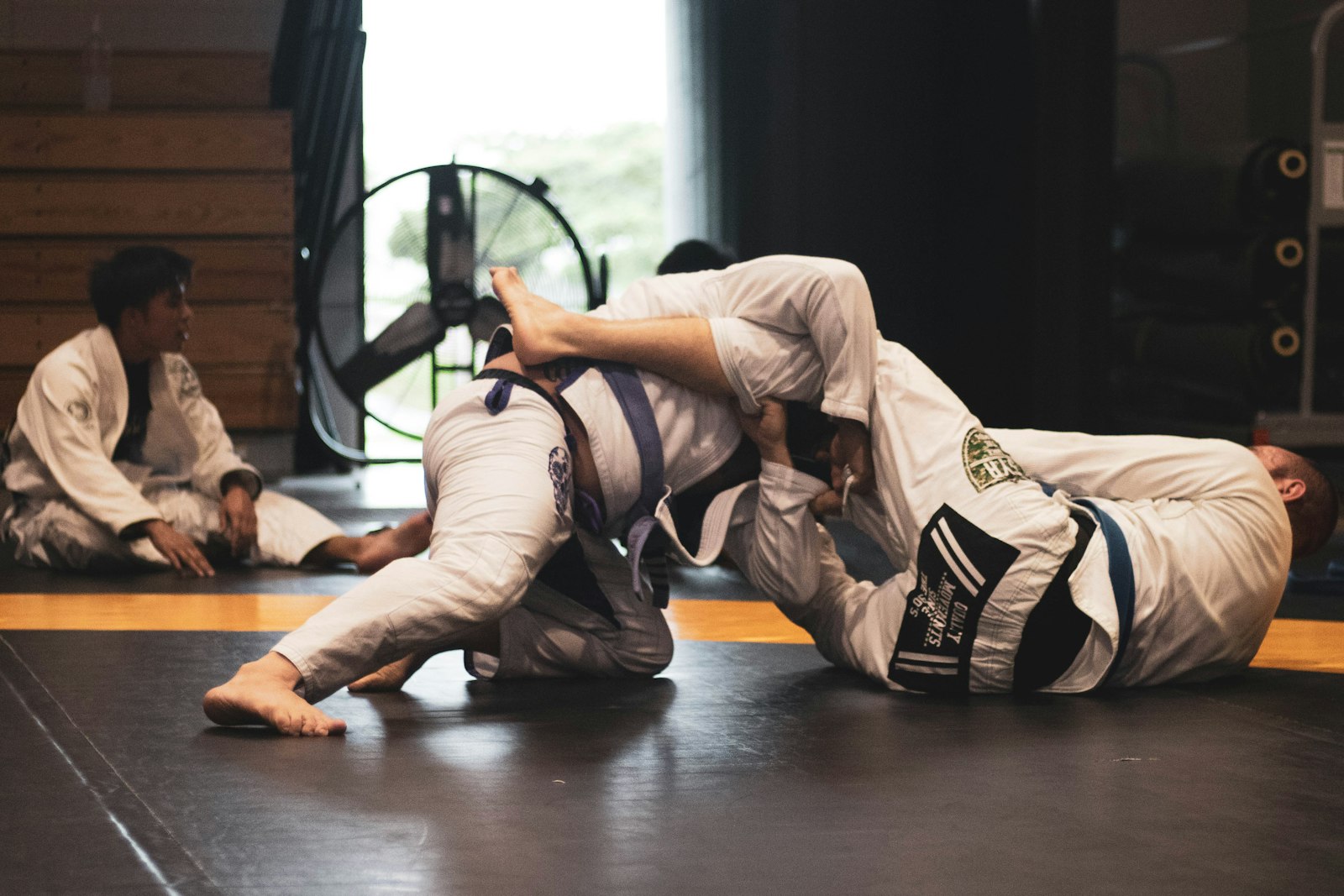
DISCIPLINE
The blue belt phase every trader has to survive
Five years on the mat and five years in front of charts taught me the same lesson twice: the dangerous moment isn't when you know nothing — it's when you know just enough.
No posts in this category yet.